

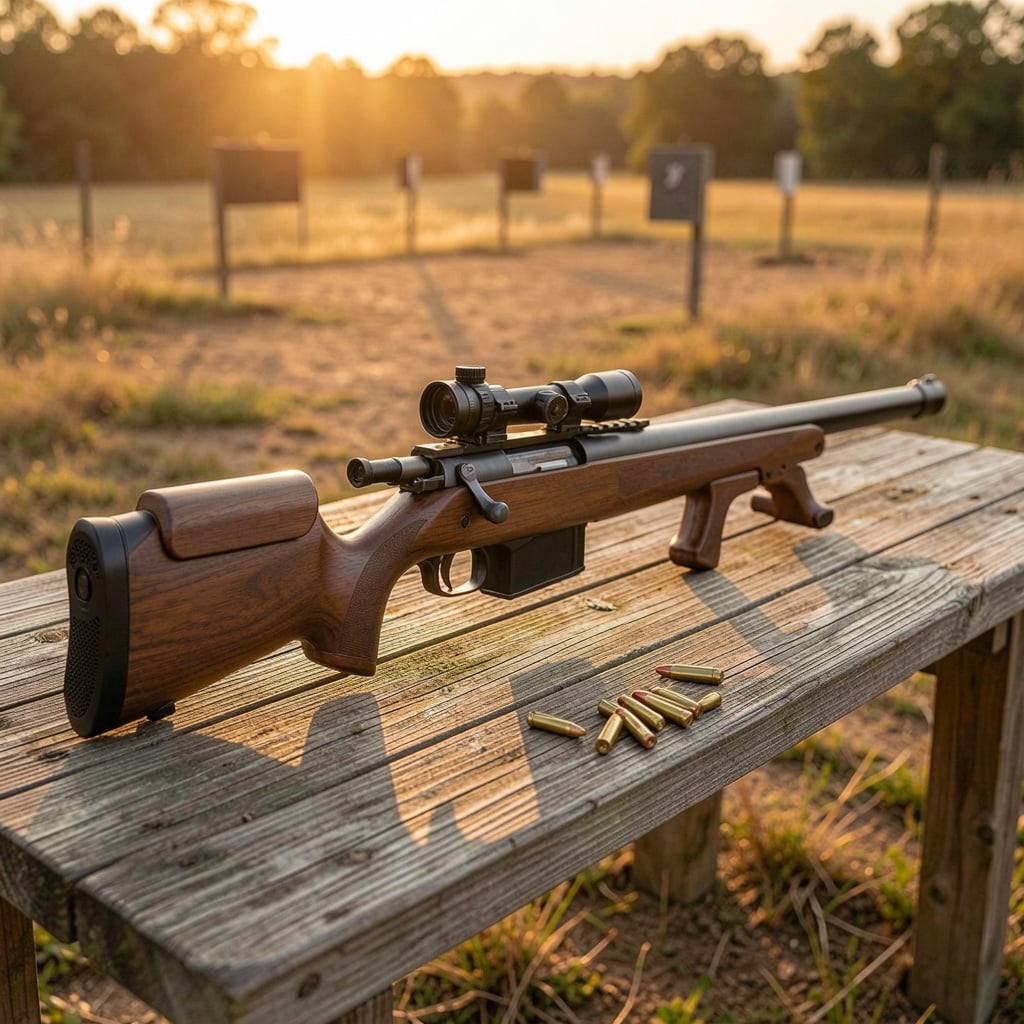
Best subsonic ammo for suppressed shooting: calibers and what to buy (2026 Guide)
Subsonic ammo is loaded to leave the barrel below the speed of sound, so the round never produces the sharp crack that supersonic ammo makes even through a suppressor. That crack, not the mechanical noise of the action, is usually what people notice most when a "suppressed" gun still sounds loud. Pair subsonic ammo with a quality suppressor, and you get the quiet, low-recoil shooting experience most owners are chasing in the first place.
Here is what actually counts as subsonic, which calibers work best, and what to load up on before your next range trip.
What makes ammo subsonic
Sound travels at roughly 1,125 feet per second at sea level, and that number shifts a little with temperature and elevation. Any round loaded to stay under that speed is subsonic. Manufacturers get there by using a heavier bullet with a modest amount of slow-burning powder, which keeps velocity down while holding onto enough energy to still be useful.
Barrel length matters here too. A load that reads subsonic out of a short pistol barrel can pick up enough speed in a 16-inch rifle barrel to cross back into supersonic territory. If you want a guaranteed quiet shot, check the load's rated velocity against your specific barrel length, not just the box.
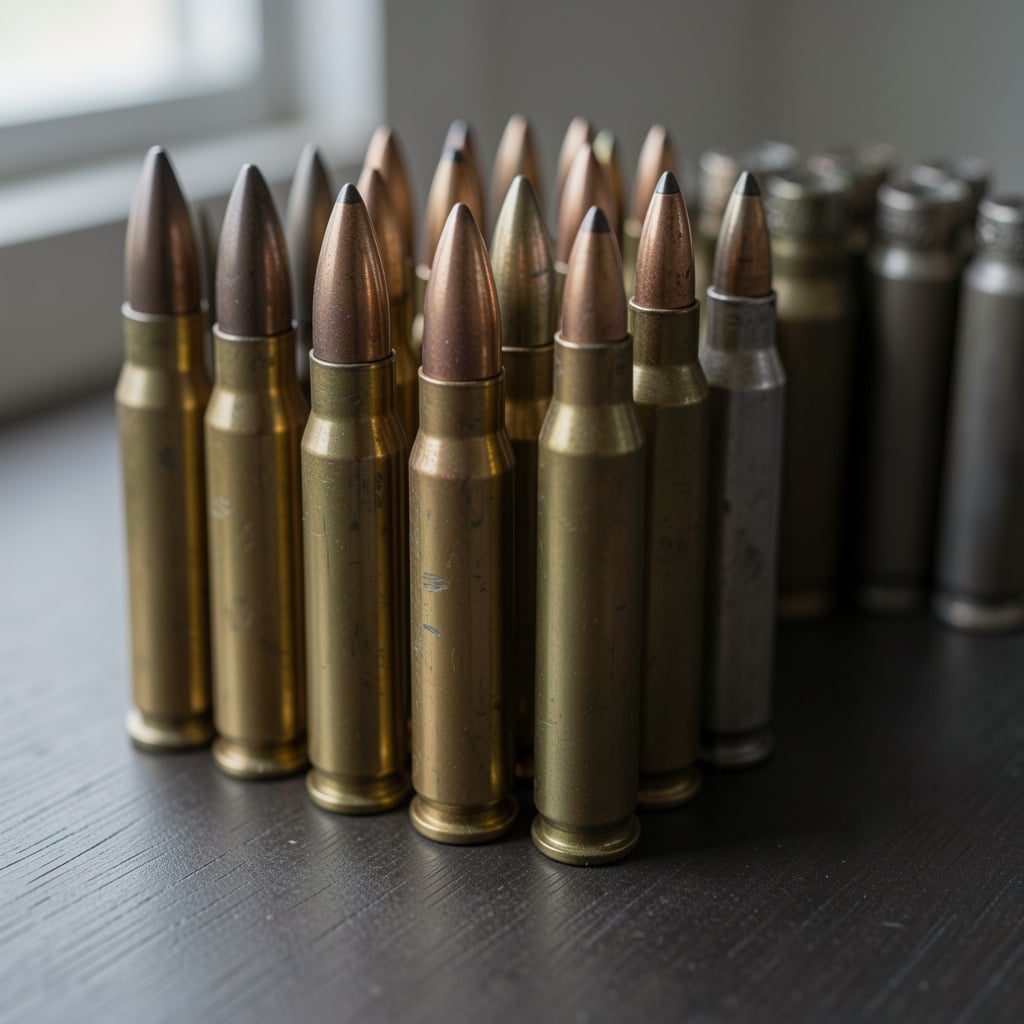
Why subsonic ammo matters for suppressed shooting
A suppressor reduces the muzzle blast, the gas escaping the barrel. It does nothing for the sonic crack of a supersonic bullet, because that noise happens downrange of the suppressor entirely. Run supersonic ammo through even a top-tier can, and you will still hear a crack. Run subsonic ammo through the same can, and that crack disappears, leaving just the mechanical action noise and a much softer report. For a full breakdown of what a suppressor does and doesn't do, see our guide on what a suppressor actually does
Subsonic loads also recoil more gently and make follow-up shots easier to place, which is part of why they have become popular well beyond the suppressor crowd, including hunters and competitive shooters who just want a softer shooting rifle or pistol.
Best subsonic calibers for suppressors
9mm
9mm is the easiest subsonic caliber to find and the most forgiving to shoot suppressed. Most factory subsonic 9mm loads use a 147-grain bullet, heavy enough to stay under the sound barrier out of nearly any pistol or PCC barrel length. It is the default choice for suppressed handguns and pistol-caliber carbines alike.
.300 Blackout
.300 Blackout was built from the ground up to run subsonically through an AR platform, which sets it apart from every other rifle caliber on this list. Loads typically run 190 to 220 grains, and the standard blackout barrel’s fast twist rate keeps those heavy bullets stable at low velocity. If you are building or buying a rifle specifically for suppressed, subsonic shooting, .300 Blackout is usually the first recommendation you will hear, and for good reason.
.22 LR
.22 LR is quiet by nature and gets nearly silent when subsonic ammo meets a rimfire suppressor. Not every .22 LR load marked "subsonic" will expand on impact, so if you are hunting small game, look for a load built with a hollow point or fragmenting tip rather than a plain round nose meant only for target work.
.45 ACP
.45 ACP is subsonic in most of its standard factory loadings without any special engineering, since the cartridge was never pushed toward high velocity to begin with. That makes it a low effort entry point if you already own a .45 pistol and want to try suppressed shooting without hunting down a specialty load.
.45-70 Govt
When it comes to subsonic ammo, the size of the bullet matters. When the velocity is leveled out at ~1000fps, the energy of the projectile is solely based on the weight of the bullet. .45-70 is one of the largest commercially available subsonic rounds thanks to Hornady’s Sub-X 410gr .45-70 round, making it a great choice for hunting.
How to choose the right subsonic load
Match the load to your barrel length first. Rifle-length barrels push velocity up, so a load that is comfortably subsonic in a carbine might not stay that way in a longer barrel. When in doubt, chronograph the actual combination of gun, ammo, and suppressor you plan to use.
Match the load to your purpose second. Range and training loads can be plain FMJ or ball ammo built for reliable feeding and a lower price per round. Hunting loads need a bullet built to expand at subsonic velocities, since a round-nose bullet moving that slowly often will not open up on impact. Defensive loads need verified expansion and penetration data from the manufacturer, not just a "subsonic" label on the box.
Function test everything before you rely on it. Some semi-automatic actions, especially blowback designs, need enough energy from the round to cycle reliably. A subsonic load that feels great on paper can still short-stroke a pistol or rifle that was tuned around supersonic pressure. Run a full magazine through your suppressed setup at the range before you consider a load your go-to.
Subsonic ammo and suppressor ownership in Louisiana
Buying subsonic ammunition itself does not require any special paperwork. The suppressor is the part of this setup that is regulated. Under the National Firearms Act, a suppressor purchase requires an approved ATF Form 4 and the tax stamp that comes with it before you can take possession. Once you own the can, running any ammo through it, subsonic or not, is no different from shooting any other firearm.
Spotted Dog Sporting Goods is a licensed FFL dealer in Columbia, Louisiana, and we walk customers through the suppressor purchase and transfer process from the paperwork to pickup. If you already have a can and just need ammo to go with it, our ammunition selection covers 9mm, .300 Blackout, .22 LR, and the other common suppressor calibers, including Winchester's Super Suppressed and Hornady’s Sub-X line, both built specifically for quiet, reliable feeding through a can.
What is the quietest subsonic ammo?
Rimfire loads, especially subsonic .22 LR through a dedicated rimfire suppressor are generally the quietest option available to civilian shooters, often landing well below the level that causes hearing damage.
Should you use subsonic ammo with a suppressor?
Yes, if quiet operation is the goal. A suppressor alone cuts muzzle blast, but only subsonic ammo removes the sonic crack, and the two together deliver the biggest noise reduction.
Is subsonic ammo less accurate than supersonic ammo?
Not inherently. Subsonic loads built for accuracy, especially in .300 Blackout and 9mm, can be just as precise as supersonic ammo at the ranges most shooters use them, though heavier bullets do drop faster at distance. Some subsonic rounds are actually more accurate than supersonic rounds at short distances because they do not pass through the sonic wall, allowing it to stay more consistent.
Can I use any 9mm ammo in my suppressor?
Yes, a suppressor does not require subsonic ammo to function safely, but supersonic rounds will still produce a sonic crack even through the can.
Does subsonic ammo damage my suppressor faster?
No. Subsonic loads generally run cleaner and put less stress on a suppressor than magnum or high-pressure supersonic loads.
Ready to build your suppressed setup
Pick your caliber, match the load to your barrel and your goal, and always test before you trust it at the range or in the field. Browse our suppressor accessories to round out your setup with mounts, brakes, and adapters built for the calibers above.


