

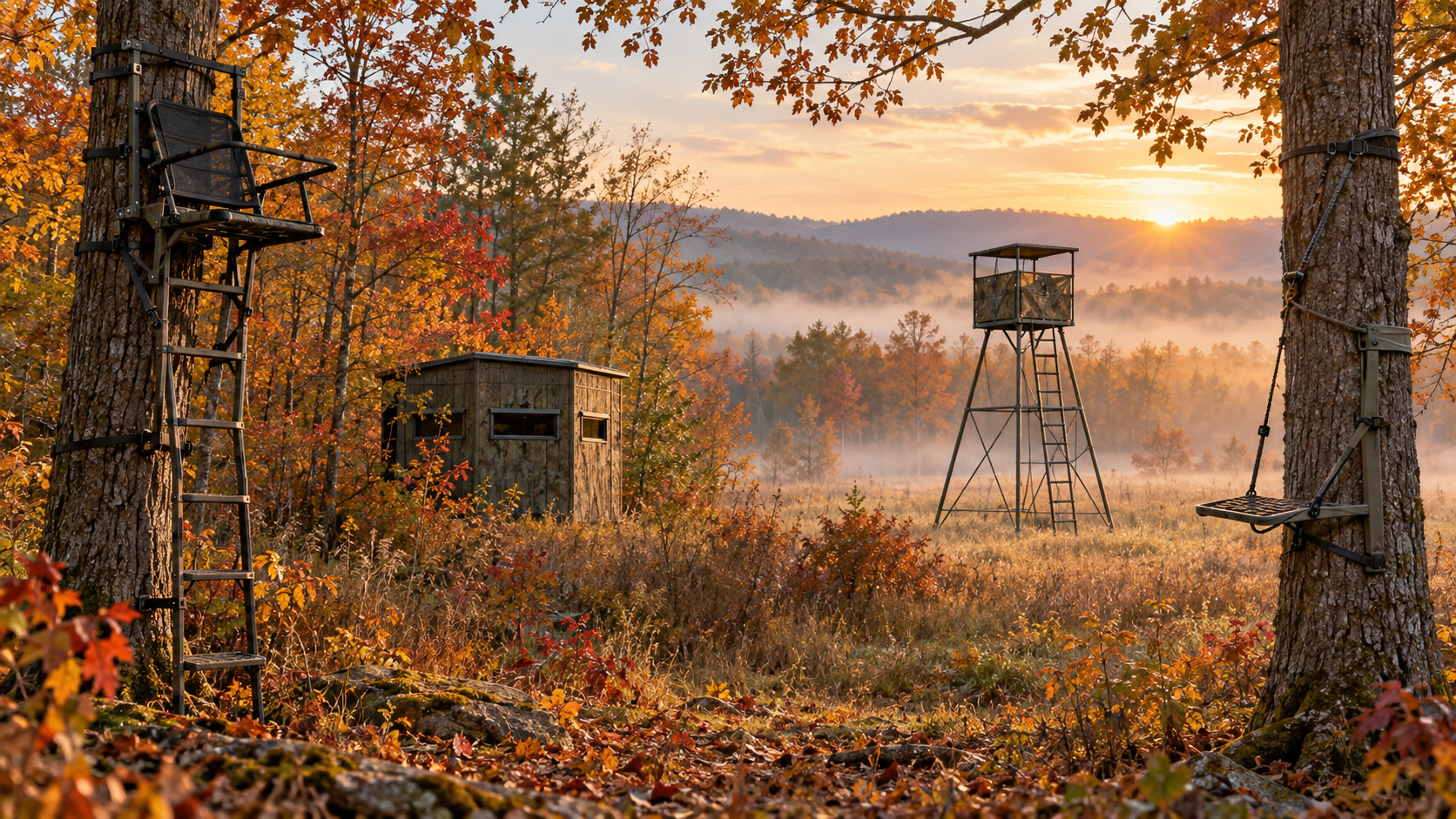
Climbing Stand vs. Box Blind vs. Tripod vs, Saddles: Which Deer Stand Fits Your Hunt
The right deer stand depends on three things: how you hunt, what your land looks like, and how far you are willing to carry gear. Climbing stands, box blinds, and tripods each solve a different problem, and picking the wrong one usually means fighting your setup all season.
Here is how these three stand types actually compare, and which one fits your hunting style in North Louisiana.
Climbing stands: built for mobile hunters
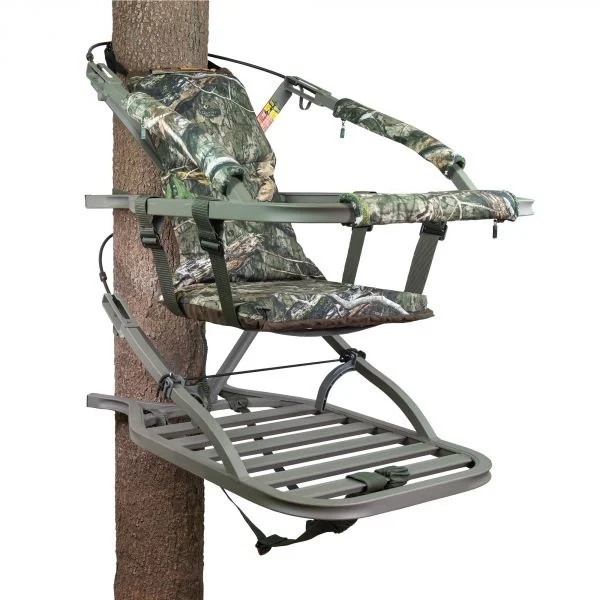
A climbing stand comes in two connected sections, a seat and a foot platform, that you attach to the tree and walk up together using a cable or chain system. Once you are at height, you lock both halves in place and hunt.
Climbers shine when you need to move. Public land hunters and anyone scouting fresh sign mid-season can pack a climber in, set up in minutes, and relocate the next morning if the wind shifts or the deer pattern changes. Most climbing stands fold down to 20 pounds or less, light enough to carry a mile into the timber without wearing you out before daylight.
The catch is the tree itself. Climbers need a straight trunk with no low branches for at least 20 feet, which rules out a lot of the crooked hardwoods and river-bottom cypress common around Caldwell Parish. Learning to climb safely also takes practice. New hunters should run through the motions on a low tree in daylight before ever taking a climber up in the dark.
Choose a climber if:
You hunt public land, change locations through the season, or need one stand that covers several spots on your lease. Browse our climbing stands to see current inventory.
Box blinds: built for comfort and concealment
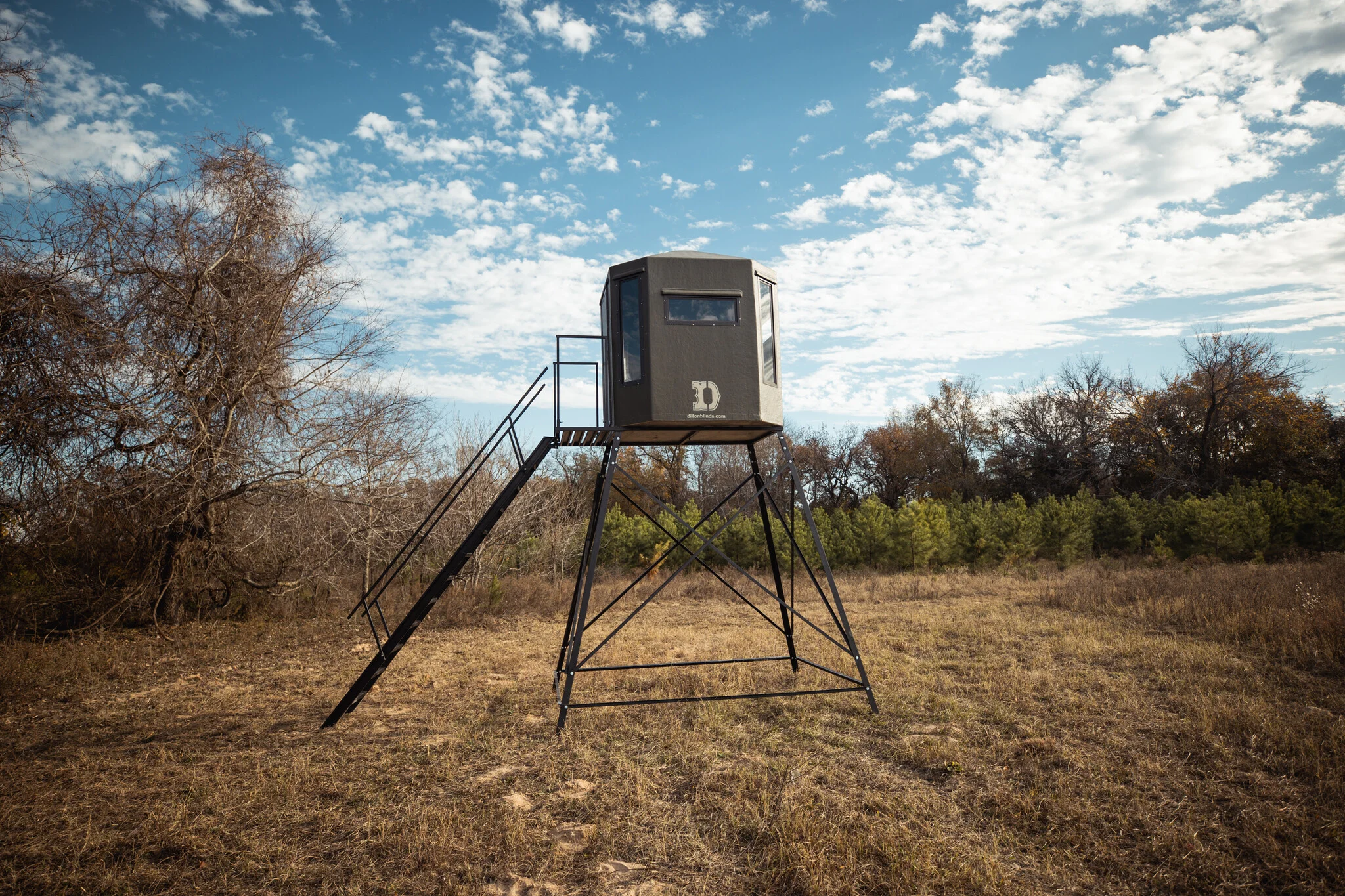
A box blind is a fully enclosed structure, walls, roof, and windows, usually mounted on a tower or elevated platform. It is the opposite end of the spectrum from a climber: heavy, permanent, and built to keep you warm, dry, and hidden through a full-day sit.
Box blinds hold scent and sound far better than an open stand, which matters during the rut when deer are moving at all hours and any noise or smell can blow an encounter. They also fit more than one hunter, making them the easiest option for bringing a kid or a new hunter along. Louisiana's youth deer season runs as a dedicated weekend in most deer areas, and a box blind is often the most comfortable place to introduce someone to the sport.
The tradeoff is that a box blind stays where you put it. Setup takes real planning, usually a permanent tower and, in many cases, help getting it into place. That makes site selection critical: pick a spot with a proven travel corridor or food source, because you will not be moving it mid-season the way you would a climber.
Choose a box blind if:
You hunt the same food plot or field edge all season, want maximum comfort for long sits, or plan to hunt alongside family. Browse our box blinds to see current inventory.
Tripods: built for open ground
A tripod stand stands on three legs and needs no tree at all, which makes it a great option for hunting fields, food plots, and cutover land where timber is scarce. Set one up anywhere you have a clear shooting lane or 360-degree visibility over open ground.
That visibility is the whole appeal. A tripod set on the edge of a soybean field or a cleared right-of-way lets you watch deer approach from any direction, which is harder to do from a tree-bound stand tucked against a single trunk. Tripods also work well paired with a shooting rest for long, open shots across a field.
Most tripods are not easy to move once assembled, and their height and profile make them more visible to deer than a stand tucked into timber. Concealment matters more here than with a box blind, so brushing in the legs and platform with natural cover pays off. If you already use a shooting rest for rifle season, many mount directly to a tripod platform for a stable rest on a rifle or crossbow.
Choose a tripod if:
You hunt open fields or food plots with no usable trees, or want a stand that gives you a full view of the approach.
Which to choose
| Factor | Climbing stand | Box blind | Tripod |
|---|---|---|---|
| Best terrain | Straight, branch-free timber | Any, needs a tower or platform | Open fields, food plots |
| Mobility | High, pack in and move | None, stays put all season | Low, heavy to relocate |
| Comfort | Basic, built for short sits | Best, weatherproof and enclosed | Moderate, exposed to weather |
| Concealment | Good, blends into the tree | Excellent, fully enclosed | Fair, needs brushing in |
| Setup | Solo, minutes | Multi-person, permanent | Solo or two-person, semi-permanent |
If you hunt one spot on private land near a food source, a box blind earns its keep. If your season means chasing sign across public ground or a large lease, a climber packs light enough to follow the deer. If your best ground is an open field or cutover with no trees to speak of, a tripod is the only stand built for it. Many hunters around here end up running two of the three, a climber for early bow season mobility and a box blind or tripod for the long firearms sits once the archery opener has passed.
Saddles: new kid on the block
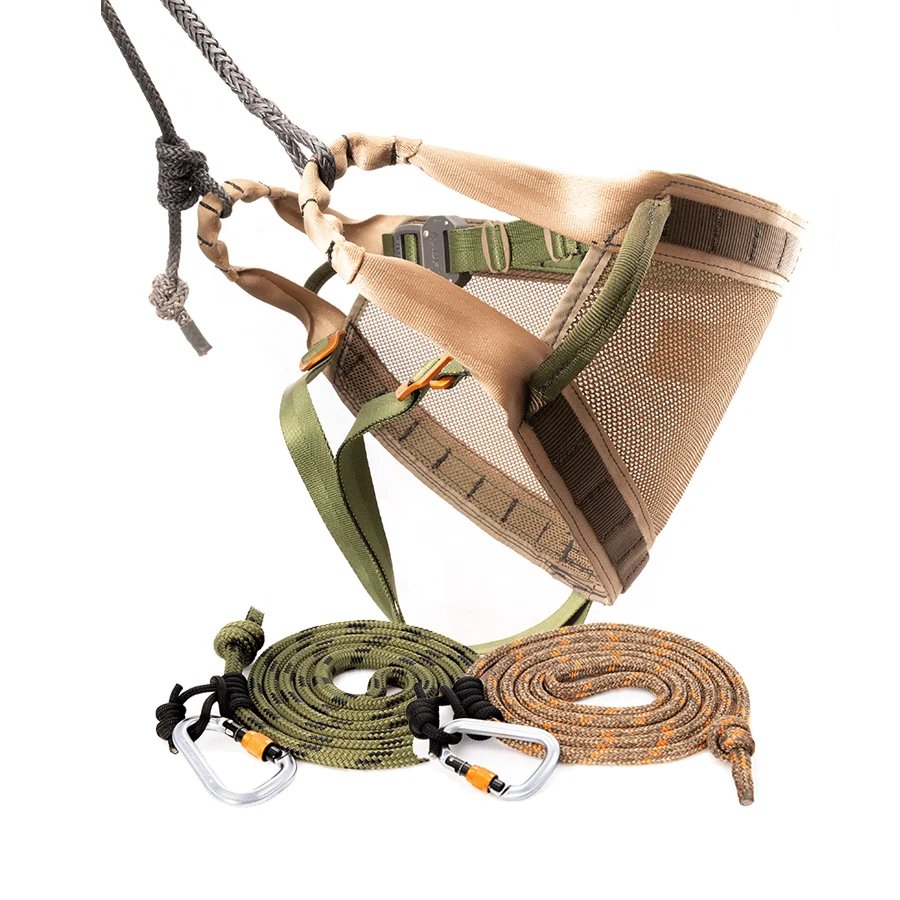
The newest addition for hunters to check out is saddle hunting. Saddle hunting is meant for extra light packing, even lighter than a climber, and suits the needs of hunters better in some cases. Saddle hunting gives the hunter a wider range of available positions, easier access to gear, and a much greater field of view than most other options.
Choose a saddle if:
You want the lightest possible packing option, more flexibility in shot positions, or you are curious but nervous about jumping into a new setup. If you have never tried saddle hunting, check out our selection of saddles and accessories. We have an in-store tree setup just for trying one out, and our staff can walk you through it before you buy.
Whatever you choose, check it over before the season. Our deer stand safety checklist walks through the pre-season inspection every stand needs, tree-mounted or not. And once your stand is up, our guide to trail cameras and stand placement covers where to hang a camera so you know what is moving before you ever climb up.
Browse our full deer stand selection to see current inventory across climbing stands, box blinds, saddles, and tripods, all in stock here in Columbia.
Frequently asked questions
What is the most versatile type of deer stand?
A climbing stand is the most versatile for hunters who move around, since it packs light and sets up in minutes on any straight, branch-free tree. It will not work everywhere, though, so most serious hunters pair one with a fixed option like a box blind for open ground or all-day comfort.
Are box blinds worth the cost?
For hunters who sit the same food plot or field edge all season, yes. The enclosed design blocks scent and sound better than an open stand and keeps hunters comfortable through long, cold sits, which often means more time in the stand during peak rut activity.
Can a tripod be used for bow hunting?
Yes, though visibility and concealment take more work than with a treestand. Brushing in the platform and legs with natural cover, and keeping shot distances shorter, both help close the gap on open ground.
How high should a deer stand be?
Most stands sit 15 to 20 feet up for a mix of visibility and scent control, though this varies with terrain and shot angle. Lower stands work better with dense cover, and tripods are typically shorter since they already sit in open ground.
What is the newest innovation in deer stands?
Tree saddles have become very popular in just the last few years. Saddle technology is growing quickly, and more hunters are jumping on board every season. Easy setup, light packing, and great usability all make saddles a strong option worth trying.
Find your stand before opening weekend
Come handle a climber, a box blind, a tripod, and a saddle setup in person before archery season opens. Stop by the shop in Columbia or call us, and we will help you pick the stand that fits how you hunt.


