

Steel Shot vs. Lead Shot for Dove Hunting: Which Wins?
Steel shot vs lead shot for dove hunting comes down to pattern density, legal shot size, and where you are hunting. Lead still hits harder at range, but Louisiana requires a non-toxic shot on every LDWF-managed dove field, so knowing which loads work where keeps you legal and still bringing home birds.
Why shot material matters more than you think
Doves are small, fast, and forgiving of nothing. The wrong pellet size or the wrong material for the field you are hunting means more misses, more wounded birds left behind, and in some cases a ticket from a game warden. Before opening weekend, it pays to know exactly how lead and steel behave differently in the air and on the bird.
Lead shot: dense, consistent, and still legal on private land
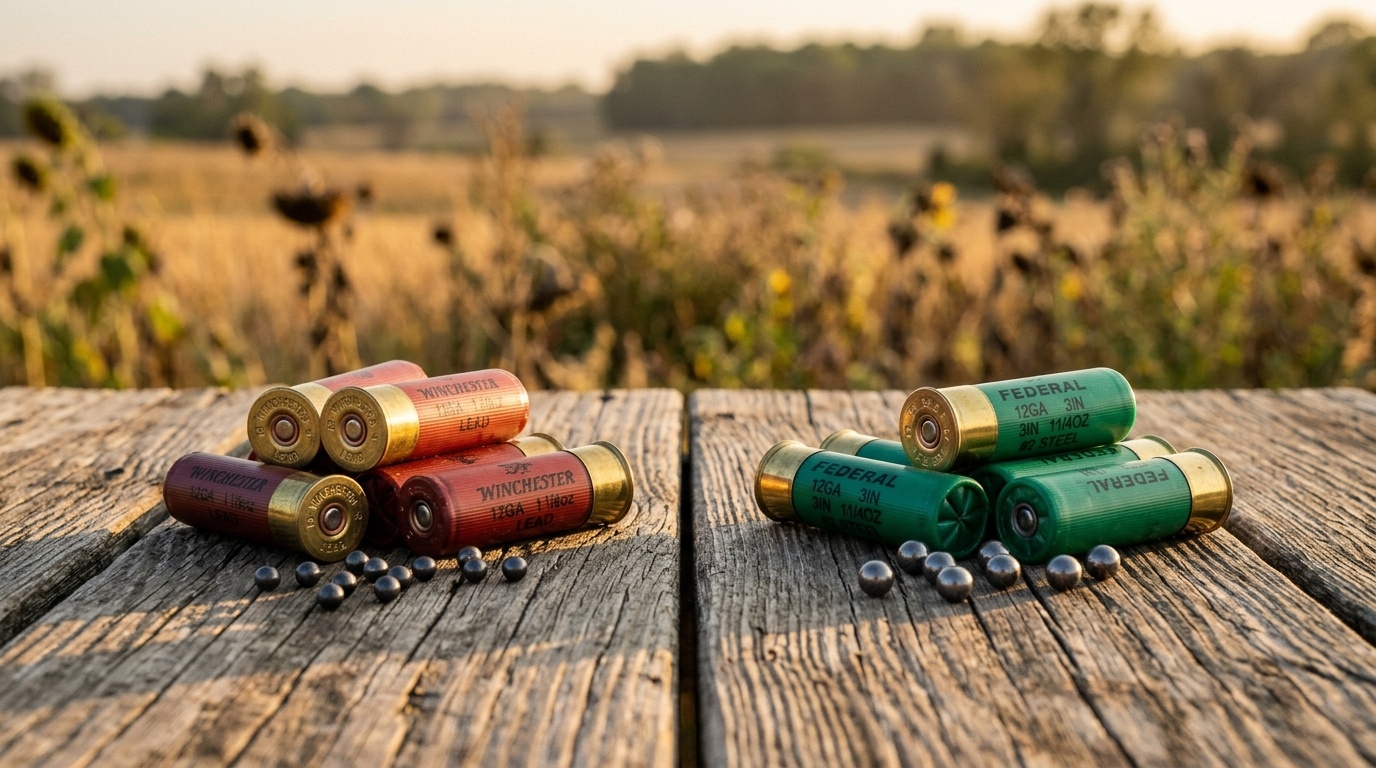
Lead has been the standard dove load for generations because it is dense. That extra weight lets smaller pellets, typically size 7 1/2 or 8, hold energy and pattern tightly out to 35 or 40 yards. Recoil stays mild, patterns stay predictable, and most hunters find lead more forgiving on marginal hits.
Lead remains legal for dove hunting on private land in Louisiana, and it is still the choice most hunters reach for when they control the field. Browse our lead shotshells for the classic 7 1/2 and 8 shot loads that have filled straps for decades.
Steel shot: lighter pellets, bigger sizes, required on public fields
Steel is roughly a third lighter than lead by volume, so it needs larger pellets, typically size 6 or 7, to carry similar energy downrange. Steel loses velocity faster past 35 yards, but at typical dove field distances it drops birds just as cleanly when sized and patterned correctly.
Steel is also the only legal option on LDWF wildlife management areas and lease fields. Check our non-toxic shotshells before you head to a public field, since fixed-choke older shotguns are not always rated for steel.

Louisiana's non-toxic shot rule for dove fields
Every LDWF wildlife management area and private lease field restricts hunters to non-toxic shot size 6 or smaller, and lead is not permitted on those grounds. Private land in North Louisiana is a different story. Lead stays legal there, though plenty of landowners and outfitters are voluntarily switching to steel to cut down on lead left in managed sunflower and millet fields.
Hunters 18 and older need a valid Louisiana hunting license and Harvest Information Program certification before stepping into any dove field, public or private. Confirm your zone dates and field rules with LDWF before opening weekend, since public lease fields fill fast and often require registration in advance.
Choke tube adjustments for steel vs lead
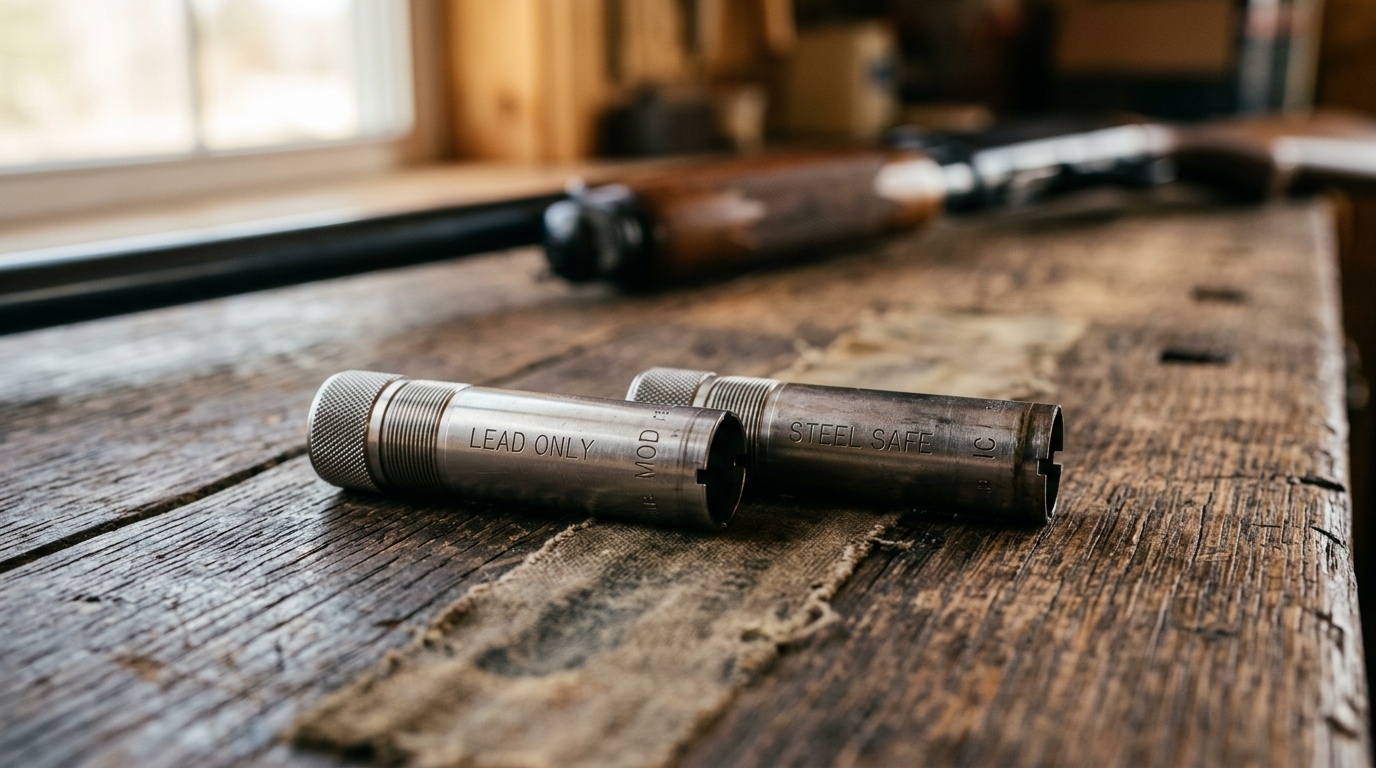
Steel patterns are tighter than lead at the same choke constriction because the pellets do not deform the way lead does moving through the barrel. If you normally run an improved cylinder with lead, try a cylinder or skeet with steel to open the pattern back up at typical dove ranges. Always pattern a new load on paper before opening day rather than guessing in the field. Our choke tubes and accessories make it easy to swap constrictions between range sessions and the field.
Steel shot vs lead shot at a glance
| Factor | Lead shot | Steel shot |
|---|---|---|
| Density | Higher, holds energy longer | Lighter, loses energy faster past 35 yards |
| Typical shot size | 7 1/2 or 8 | 6 or 7 |
| Legal on LDWF WMAs and lease fields | No | Yes, required |
| Legal on private land | Yes | Yes |
| Choke recommendation | Improved cylinder to modified | Cylinder to skeet |
Does it actually change how many birds you bring home?
A field study on mourning doves conducted by Texas A&M's Natural Resources Institute found no meaningful difference in birds bagged per shot between lead and steel loads when sized correctly. The gap most hunters notice comes down to shot placement and choke selection, not the material sitting in the shell.
Which to choose for your hunt
Choose lead if:
You are hunting private land in North Louisiana where lead is legal, and you want the tightest, most forgiving pattern at typical dove ranges.
Choose steel if:
You are hunting an LDWF wildlife management area, a lease field, or any public ground that requires non-toxic shot, or if you simply want to cut down on lead left in the field.
Still deciding what to run through the gun itself? Our semi-auto vs. pump shotgun breakdown for Louisiana dove fields covers which action handles a hot dove shoot better, and our opening weekend dove hunting checklist walks through everything else to pack before the truck leaves the driveway.
FAQ
Do you have to use steel shot for dove hunting in Louisiana?
Only on LDWF wildlife management areas and lease fields. Lead remains legal for dove hunting on private land in Louisiana.
What size steel shot should I use for dove?
Size 6 or 7 steel gives you the closest match to the energy of 7 1/2 or 8 lead at typical dove ranges.
Can my shotgun handle steel shot?
Most modern shotguns are rated for steel. Older guns with fixed chokes may not be, so check your owner's manual or bring it by the shop before opening weekend.
Is steel shot as effective as lead for dove hunting?
At typical dove field distances under 35 to 40 yards, properly sized and patterned steel shot performs just as well as lead. The difference shows up more at longer range than in the number of birds you bring home.
Stock up before opening weekend
Whether you are running lead on private land or steel on a public lease field, come see our full lineup of shotguns and shotshells before North Zone dove season opens. Stop by the shop in Columbia or give us a call; we will help you pick the right load for where you are hunting.


