

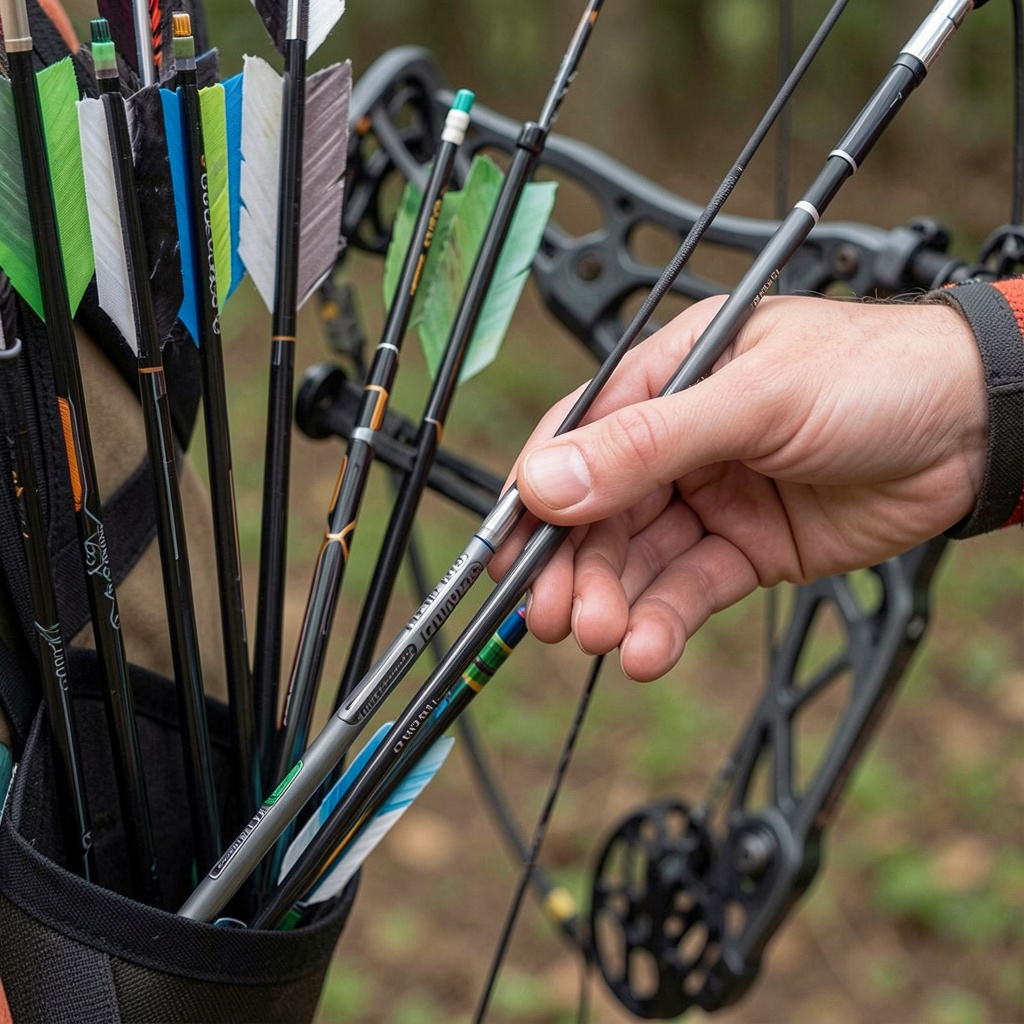
How to Choose the Right Arrows for Your Compound Bow in 2026
Choosing the right arrows for your compound bow depends on four factors: spine, length, weight, and material. Get those right and the bow will shoot accurately. Get them wrong and no amount of sight adjustment will fix it.
Here is how to work through each one.
Step 1: Know Your Draw Length and Draw Weight
Before you pick any arrow, you need two numbers from your bow setup: your draw length and your draw weight.
Your draw length determines how long your arrows need to be. A general rule is to add 1 to 1.5 inches to your draw length for the minimum safe arrow length. If you draw 28 inches, you want arrows at least 29 inches long. If the arrow is too short, it can fall off the rest at full draw, which is dangerous.
Your draw weight, measured in pounds, is the primary input for selecting arrow spine. If you have not had your bow professionally fitted yet, read our guide on getting a compound bow set up at a pro shop first. Draw length and draw weight need to be dialled in before arrow selection makes any sense.
Step 2: Match Arrow Spine to Your Bow
Spine is how much an arrow flexes when it is shot. Every arrow has a spine rating, and it has to match your draw weight and arrow length.
The number printed on the arrow is the spine rating. Counterintuitively, a lower number means a stiffer arrow. A 300 spine is stiffer than a 500 spine.
| Draw Weight | Arrow Length | Spine to Look For |
|---|---|---|
| 40–50 lbs | 27–29" | 400–500 |
| 50–60 lbs | 27–29" | 350–400 |
| 60–70 lbs | 27–29" | 300–350 |
| 60–70 lbs | 29–31" | 250–300 |
| 70–80 lbs | 27–29" | 250–300 |
When in doubt, choose a stiffer arrow. An arrow that is too weak for your bow will flex inconsistently and can crack or shatter on release. A slightly stiffer arrow is always the safer call.
Also factor in point weight. Heavier broadheads (125 grain vs 100 grain) make an arrow act weaker, so go one step stiffer if you are hunting with heavy heads.
Step 3: Choose Your Shaft Material
Carbon is the standard for compound bow hunting in 2026. It is light, stiff, consistent shaft to shaft, and does not bend permanently on impact. Most hunters shooting 50 lbs or more should be on carbon.
Aluminum is heavier and bends on impact but shoots very consistently and is easier to cut precisely. It is a solid choice for indoor target shooting where wind is not a factor and you are not recovering arrows from deer.
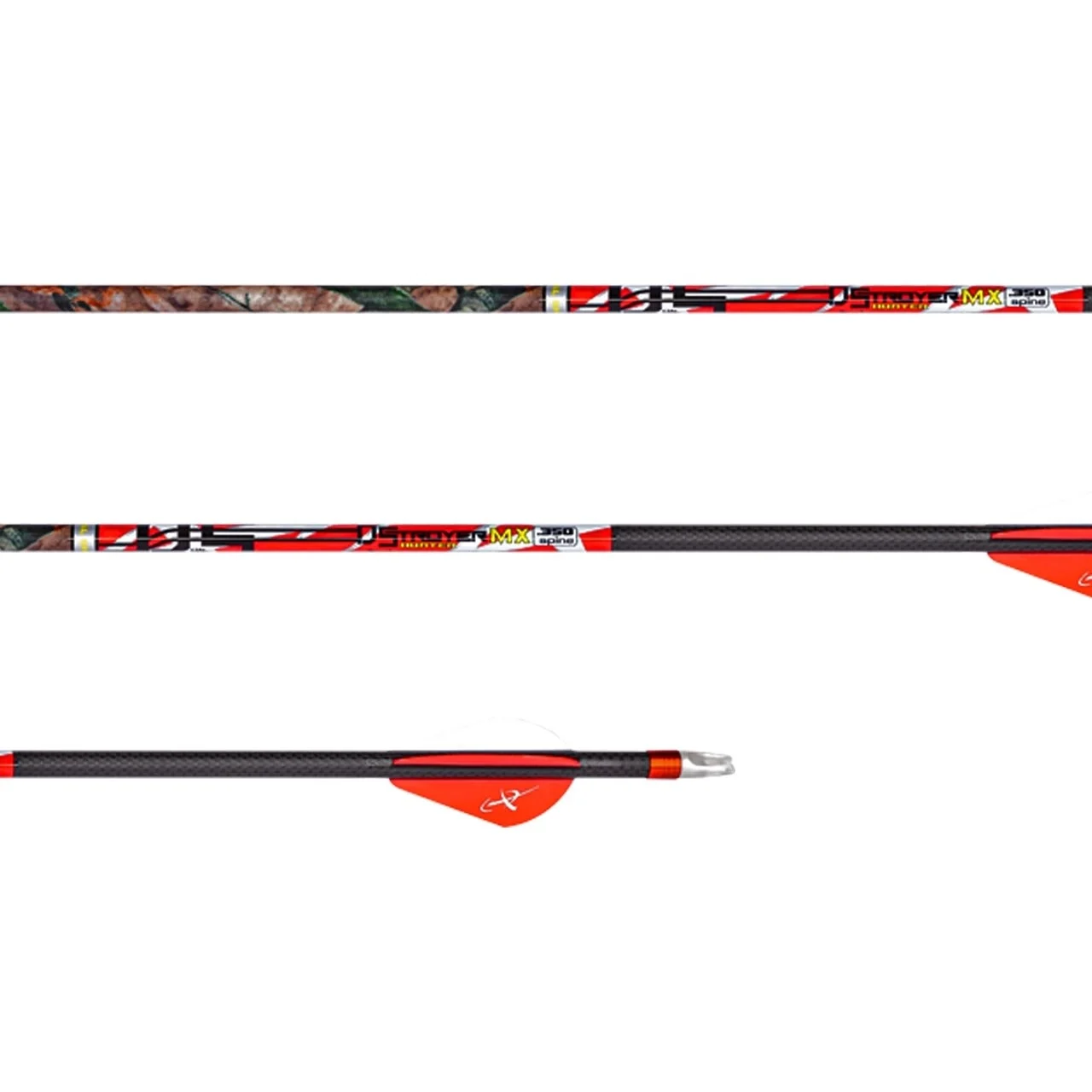
Carbon/aluminum hybrids exist at the higher end, combining the light weight of carbon with the weight-forward spine consistency of aluminum inserts. These are worth considering for serious bowhunters who want maximum penetration.
Browse our full arrows and broadheads selection to see the carbon and hybrid shafts we carry.
Step 4: Standard vs Micro Diameter
Standard diameter arrows (roughly 0.300 inches in outer diameter) are the most common and work well for most setups.
Micro-diameter arrows (4mm or 5mm) are narrower, which means less wind drift, better penetration through tissue and bone, and less surface area catching air on the way to the target. For whitetail and western hunters shooting in any kind of wind, micro-diameter shafts like the Easton FMJ or Victory VAP are worth the extra cost.
The tradeoff is that micro-diameter arrows require small-diameter components throughout: inserts, nocks, and outserts all have to match. It is a complete system, not just a shaft swap.
Step 5: Arrow Weight (Total Finished Weight)
Arrow weight is measured in grains. A finished hunting arrow with nock, insert, point, and fletching typically lands between 350 and 500 grains for most compound setups.
Lighter arrows fly faster and shoot flatter, which helps at longer distances. Heavier arrows carry more kinetic energy and momentum, which means deeper penetration in game.
For deer hunting, a total arrow weight of 400 to 450 grains is a solid balance. For elk or larger game, 450 to 500 grains gives you the penetration you need at typical bowhunting distances.
Minimum kinetic energy guidelines:
-
Whitetail deer: 35–42 ft-lbs
-
Elk and black bear: 42–65 ft-lbs
-
Moose and large game: 65+ ft-lbs
A heavier arrow at your draw weight gets you there more reliably than a swift, light one.
Step 6: Fletching for Hunting vs Target
Vanes (plastic fletching) are standard for hunting. They hold up in wet weather, do not mat down in a quiver, and stabilize broadheads reliably.
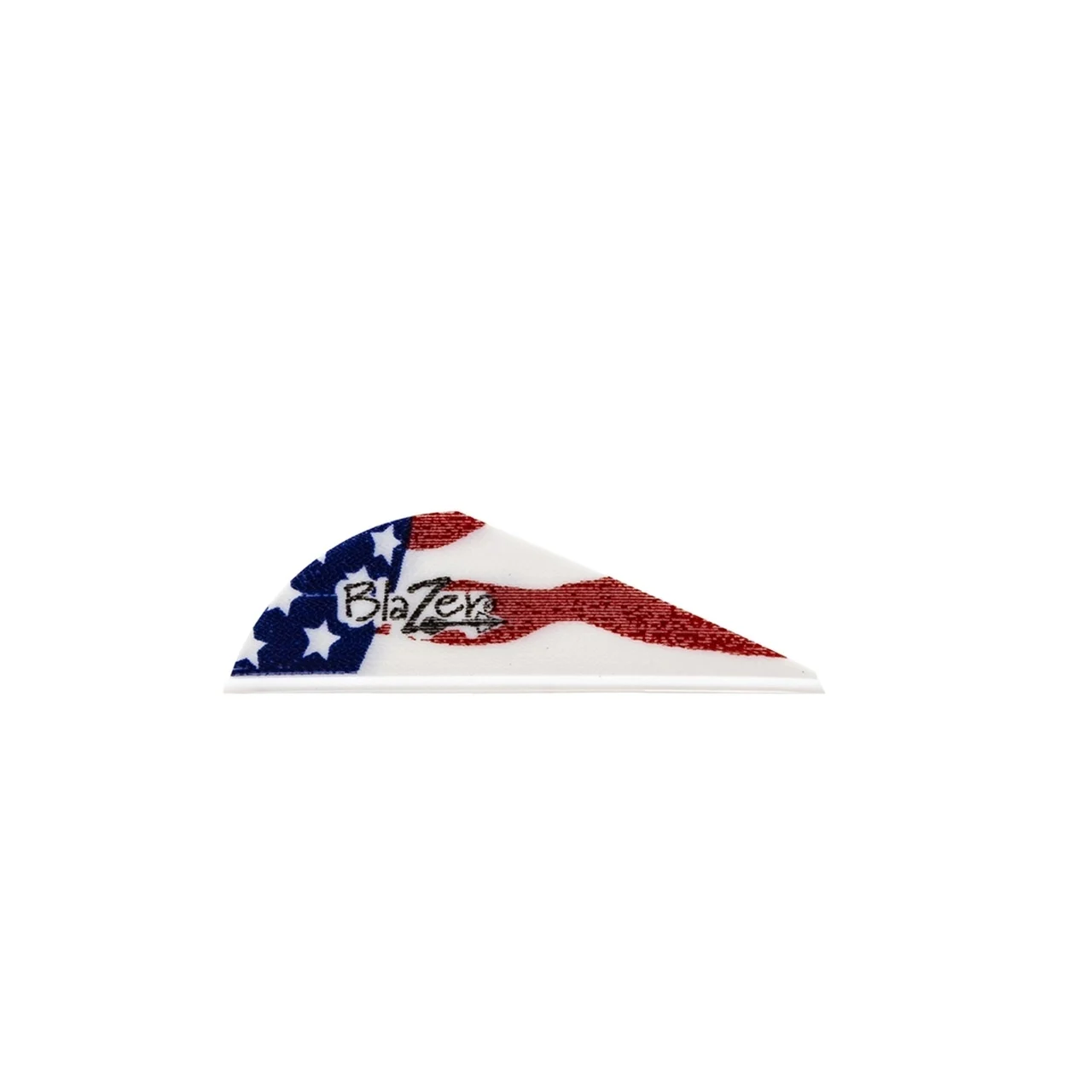
For hunting, larger vanes (2 to 4 inches) spin the arrow faster and correct broadhead planing more effectively. For 3D or target shooting, smaller, low-profile vanes reduce drag at distance.
A three-vane helical configuration, where the vanes are set at a slight angle, creates the most spin and gives you the best broadhead accuracy. Most hunting arrows come this way.
Quick Reference: Arrow Selection by Use Case
| Use Case | Spine | Diameter | Weight | Vane |
|---|---|---|---|---|
| Whitetail hunting | 300–400 | Standard or micro | 400–450 gr | 2" helical |
| Elk / big game | 250–350 | Micro preferred | 450–550 gr | 2–3" helical |
| 3D / target | 400–500 | Standard | 350–400 gr | Small, low profile |
| Indoor target | 400–500 | Standard or aluminum | 350–400 gr | Low profile |
Do You Need a Pro Shop to Pick Arrows?
For beginners, yes. Arrow spine charts look simple, but your actual bow setup, cam type, peep height, and total arrow system weight all affect the right choice. A tech can verify your draw length, run your specs through the manufacturer chart, and hand you an arrow that is confirmed correct before you buy a dozen.
If you are upgrading arrows or building a new hunting setup, stop in and we can walk through the options with you. Our full archery department carries arrows, broadheads, and everything else to complete your setup.
Frequently Asked Questions
What arrows should I use for a 70 lb compound bow?
At 70 lbs with a typical 27 to 29 inch draw length, you want a 300 or 350 spine carbon arrow. If you are shooting 125 grain broadheads, go with 300.
Is a 400 grain arrow enough for deer?
Yes. A 400 grain arrow from a 60 to 70 lb bow generates more than enough kinetic energy for clean kills on whitetail at hunting distances. Many hunters prefer 420 to 450 grains for a better penetration margin.
Should I shoot 4mm or 5mm arrows?
Both are micro diameter and perform similarly. 4mm is slightly narrower with marginally less drag. 5mm is more common and has more component compatibility. Either works well for hunting. Start with 5mm if you are new to micro diameter arrows.
What poundage is a 500 spine arrow good for?
A 500 spine arrow is designed for lighter bows, typically 30 to 45 lbs. It is too weak for most adult hunting setups at 55 lbs and above.
Can I use any arrows with a compound bow?
No. Using arrows with the wrong spine for your draw weight is a safety issue. An underspined arrow can flex violently and crack on release. Always match spine to your specific bow setup using a manufacturer spine chart or ask a pro shop tech.


