

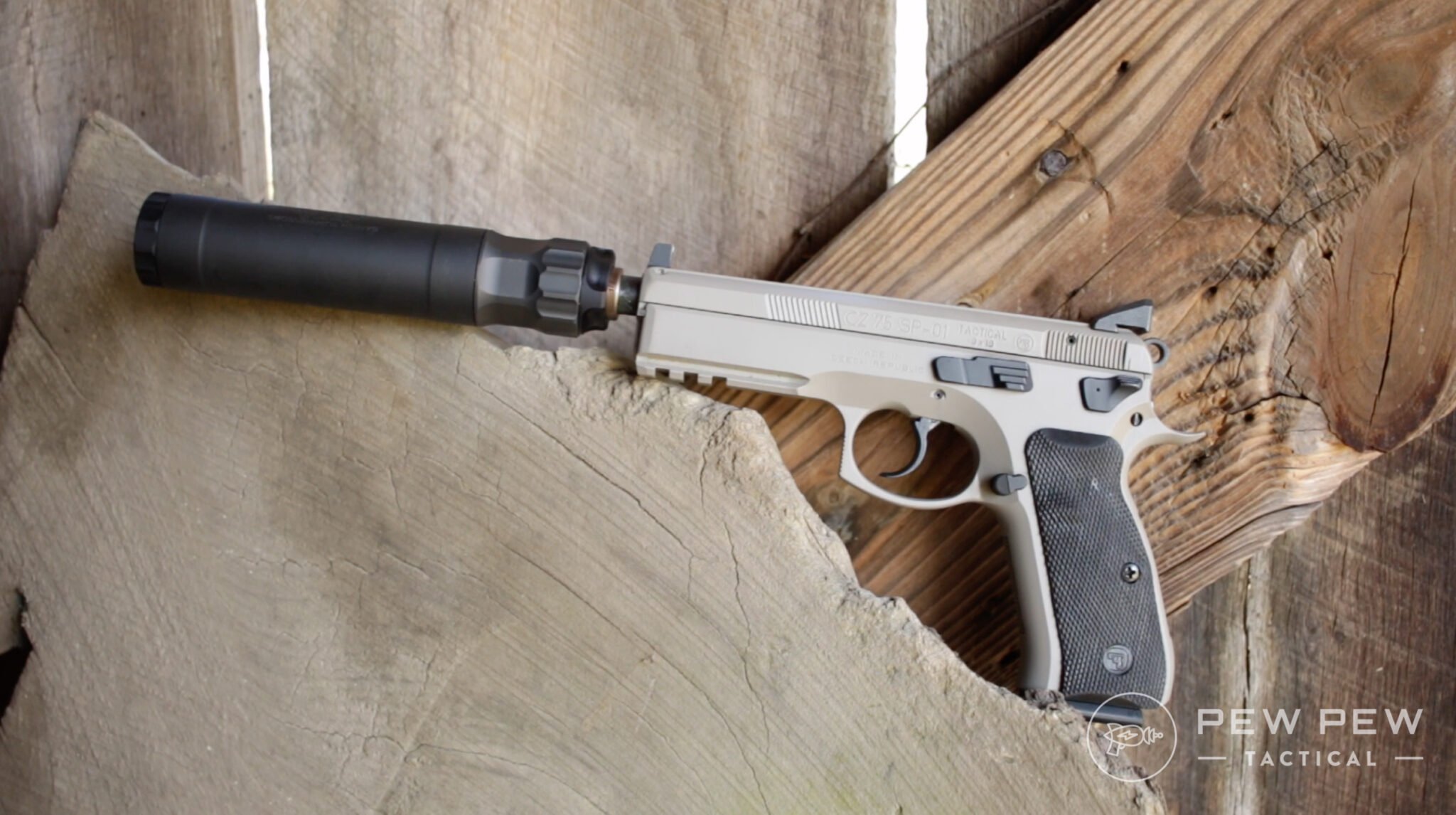
Suppressor Laws: 2026 Buying & Tax Stamp Guide
Suppressors are legal under federal law but remain regulated under the National Firearms Act (NFA). The biggest change in 2026 is that the long-standing $200 federal tax stamp has been reduced to $0, making suppressor ownership more affordable. However, buyers must still complete the federal approval process and transfer through a licensed dealer before taking possession.
Quick Checklist Before Buying a Suppressor
-
Suppressors are legal federally but still regulated under the NFA
-
As of January 1, 2026, the $200 tax stamp fee is now $0
-
The approval process and paperwork still exist
-
Transfers must go through a licensed dealer
-
Suppressors remain one of the most effective tools for reducing noise and recoil when shooting
What Changed in Suppressor Laws in 2026
For decades, buying a suppressor meant paying a $200 federal tax stamp on top of the suppressor itself. The National Firearms Act, passed in 1934, had imposed that tax.
Starting January 1, 2026, that tax requirement was eliminated. The tax stamp still exists as part of the approval process, but the cost attached to it is now $0.
What this change means for buyers:
-
The biggest financial barrier to suppressor ownership is gone
-
The paperwork and background check process still remain
-
Suppressors are still regulated items under federal law
Because of the change, many first-time buyers are now exploring suppressors for hunting and range use.
If you want to compare available models and see what options are currently in stock, you can start by browsing the suppressor collection.
Why Hunters and Shooters Use Suppressors
Despite the name, suppressors do not make firearms silent. Their main purpose is to reduce noise and recoil while improving the overall shooting experience.
Common benefits include:
-
Reduced sound levels when firing
-
Less recoil and muzzle blast
-
Better communication when hunting or shooting with others
-
Reduced disturbance to surrounding areas
Many hunters prefer suppressed rifles because the shots are easier to hear and manage in the field.

Choosing the Right Suppressor Setup
Suppressors work with different rifles, calibers, and mounting systems. Many shooters also add compatible muzzle devices and mounting hardware.
If you are setting up a suppressor system, it helps to review available suppressor accessories and mounting components so everything fits your rifle correctly.
You can also explore additional suppressor models and inventory options in the suppressor selection category if you want to compare different designs and brands.
A Growing Category in 2026
The elimination of the $200 tax stamp has already increased interest in suppressors nationwide. Industry reports indicate that applications for suppressors surged immediately after the change took effect.
For many shooters, the process is now simpler from a cost perspective. Instead of paying the extra federal tax, buyers now only focus on choosing the right suppressor and completing the required approval process.
If you want to see more options across brands and models, you can also browse the broader suppressor listings and tagged products available.

What Has NOT Changed
Although the tax cost has disappeared, federal law still regulates suppressors.
Buyers must still:
-
Complete the required federal approval process
-
Transfer through a licensed dealer
-
Follow all federal and state laws regarding suppressor ownership
In other words, the process remains mostly the same—it just no longer includes the $200 tax payment.
If you want a clearer overview of common questions, approval timelines, and requirements, the Spotted Dog suppressor FAQ is a helpful place to start.
FAQs
Are suppressors legal in the United States?
Yes. Suppressors are legal federally but regulated under the National Firearms Act.
Do suppressors still require a tax stamp in 2026?
The tax stamp still exists as part of the process, but the $200 fee has been reduced to $0 starting in 2026.
Is the suppressor buying process gone now?
No. The approval and transfer process still exists even though the tax payment has been removed.
Why are suppressors becoming more popular?
Lower cost barriers and growing awareness of hearing protection and recoil reduction have increased interest among hunters and shooters.
Final Tip
The 2026 tax change made suppressor ownership more accessible than ever. The process is still regulated, but removing the $200 tax stamp has opened the door for many new shooters to consider suppressed rifles for hunting and range use.
If you are exploring options, take time to compare different models and setups in the suppressor collection to find the right fit for your rifle and shooting style.


