

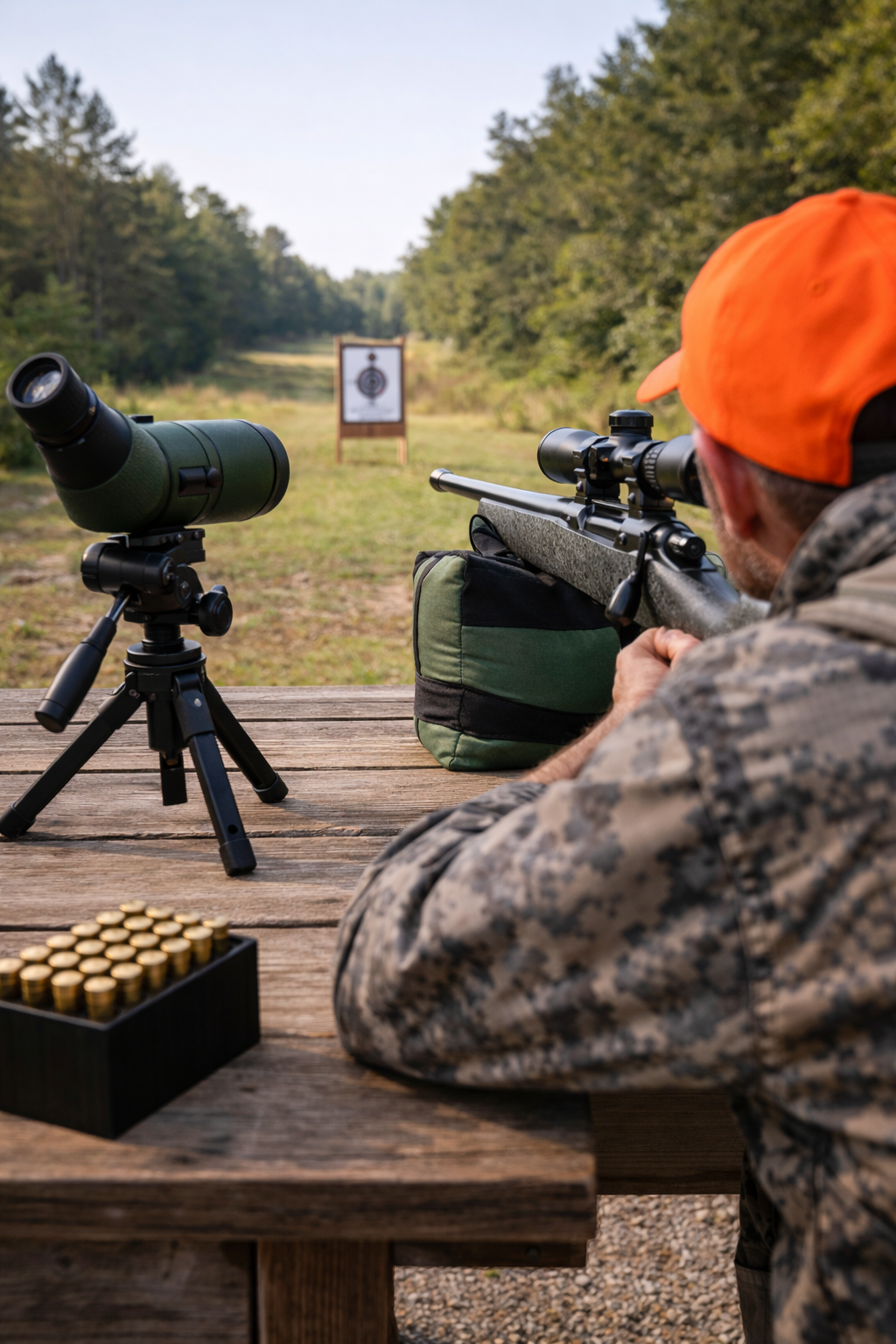
Precision Rifles 101: Barrel Twist Rates Explained
Barrel twist rate controls how fast a bullet spins as it travels down the barrel. A faster twist rate, like 1:8, stabilizes longer and heavier bullets. A slower twist rate, like 1:12, works best for lighter bullets. Matching your twist rate to your bullet weight improves accuracy, consistency, and overall performance.
How to Choose the Right Twist Rate
- Match twist rate to bullet weight and length
- Use faster twist rates for longer, heavier bullets
- Use slower twist rates for lighter, shorter bullets
- Stay consistent with your ammo choice for better accuracy
- Test your setup before hunting season
What Is Barrel Twist Rate?
Barrel twist rate tells you how many inches it takes for the bullet to make one full rotation inside the barrel.
Example:
- 1:8 twist = bullet spins once every 8 inches
- 1:10 twist = bullet spins once every 10 inches
A lower number means faster spin.
This spin stabilizes the bullet in flight. Without proper stabilization, accuracy drops fast.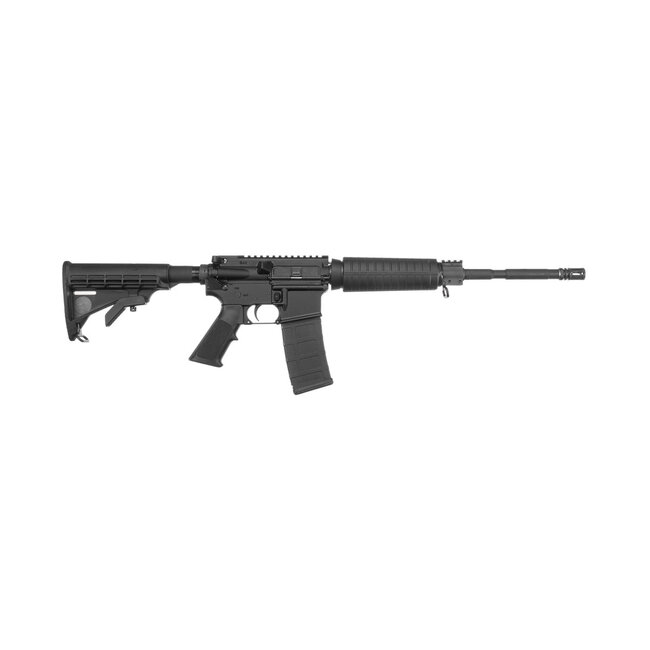
Why Twist Rate Matters for Precision Shooting
Twist rate directly impacts:
- Accuracy at longer distances
- Bullet stability in flight
- Consistency from shot to shot
If your twist rate does not match your bullet, you may see:
- Keyholing (bullets hitting sideways)
- Wide groupings
- Poor long-range performance
If you are building or upgrading a setup, it helps to start by comparing different centerfire rifles for precision shooting to see common twist rate standards by caliber.
Twist Rate and Bullet Weight (Simple Rule)
Here is the rule most shooters follow:
- Heavier, longer bullets = faster twist (1:7 to 1:9)
- Lighter, shorter bullets = slower twist (1:10 to 1:12)
It is about bullet length more than weight, but weight is the easiest way to think about it.
Common Twist Rates by Popular Calibers
|
Caliber |
Common Twist Rate |
Best Bullet Range |
|---|---|---|
|
.223 / 5.56 |
1:7 or 1:8 |
62–77 grain |
|
.308 Win |
1:10 |
150–175 grain |
|
6.5 Creedmoor |
1:8 |
120–147 grain |
|
.30-06 |
1:10 |
150–180 grain |
These setups are proven for hunting and precision shooting.
Real Example: What Happens If You Get It Wrong
Let’s say you shoot a heavy 77 grain bullet in a slow 1:12 twist barrel.
What happens:
- Bullet does not stabilize properly
- Accuracy drops
- Groups open up quickly
Now switch to a 1:8 twist:
- Bullet stabilizes
- Groups tighten
- Performance improves
This is one of the easiest ways to fix accuracy issues.
Precision vs Hunting Setups
For Louisiana hunters, you do not need extreme setups.
Most real-world use:
- 100 to 300 yards
- Moderate bullet weights
- Balanced recoil
A 1:8 or 1:10 twist will cover most hunting situations.
If you are still comparing options, take time to explore rifles and shooting equipment and look at how different rifles are configured for your style of shooting.
Rimfire vs Centerfire Twist Rates
Rimfire rifles follow different standards.
- Most .22 LR rifles use 1:16 twist
- Designed for lighter bullets at lower velocity
They are great for:
- Practice
- Small game
If you want to compare setups, you can browse rimfire rifles for training and small game to see how they differ from centerfire rifles.
How to Choose the Right Twist Rate for You
Start with these questions:
- What caliber are you shooting?
- What bullet weight do you plan to use most?
- Are you hunting, target shooting, or both?
Then match your barrel to your most common use case.
Keep it simple. Consistency matters more than chasing perfect specs.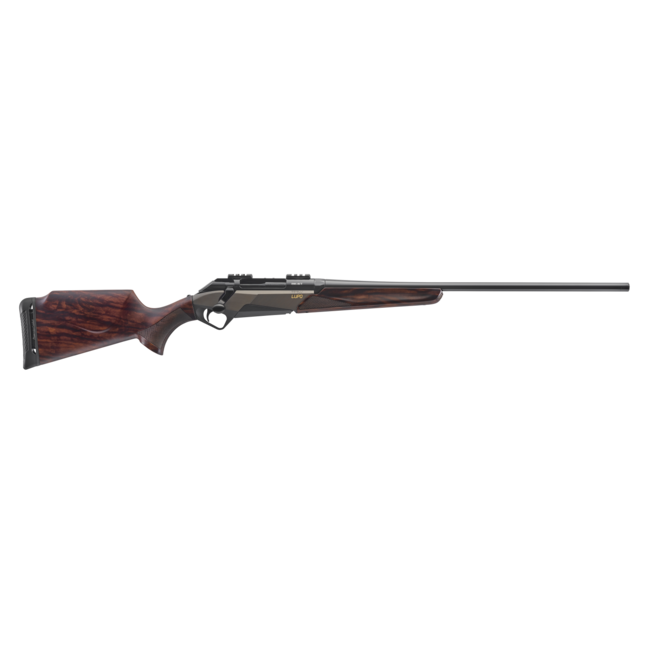
Common Mistakes to Avoid
- Mixing different bullet weights without testing
- Choosing twist rate based on trends, not your use
- Ignoring bullet length and design
- Not confirming accuracy at the range
Precision comes from matching your setup, not guessing.
FAQs
What twist rate is best for 6.5 Creedmoor? 1:8 is the standard. It stabilizes most modern bullets.
Can a faster twist hurt performance? Not usually. It may increase wear slightly, but improves stability.
Is twist rate more important than barrel length? Both matter, but twist rate has a bigger impact on bullet stability.
Do I need a different twist for hunting vs target shooting? Only if you use very different bullet weights.
Final Tip
If your rifle is not grouping the way it should, check your twist rate before changing anything else.
A properly matched barrel and bullet will solve most accuracy problems before you even touch your scope.


