

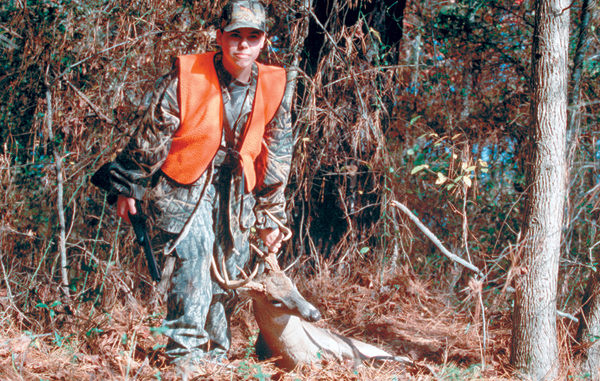
Muzzleloading Season Prep: A Simple Guide for Louisiana Hunters
Muzzleloader season in Louisiana is not what it used to be. Most hunters now rely on modern rifles, and only a small group still takes advantage of muzzleloader season. But for those who do, it offers something different. There are fewer people in the woods, the hunts are quieter, and the pace is slower, rewarding preparation and discipline.
Muzzleloaders demand more attention than modern firearms. They rely on powder, primers, and proper bullet fit, and small mistakes can lead to misfires, poor accuracy, or unsafe pressure. This guide is built for Louisiana hunters who still choose the muzzleloader. It covers the essentials so you can head into the season confident, safe, and ready to make your shot count.
Why Muzzleloader Prep Matters
Muzzleloaders rely on powder, primers, and the right bullet fit. Small mistakes lead to misfires, poor accuracy, or unsafe pressure. A clean barrel, dry ignition system, and consistent loading routine make the biggest difference in accuracy.
1. Start With a Clean, Dry Barrel
Residue builds up fast in black powder rifles
Follow these steps.
- Run solvent patches until they come out clean
- Dry the barrel completely
- Remove oil before shooting, because oil affects ignition
- Clean the breech plug threads and flash channel

A clean muzzleloader provides you predictable groups and faster ignition.
2. Check Your Breech Plug and Ignition System
Loose or dirty breech plugs cause delayed shots
Do this before the season.
- Inspect threads for debris
- Replace worn O-rings
- Make sure the flash channel is clear
- Keep primers completely dry
If you have a dedicated hunting setup, keep spare breech plug parts in your pack.
3. Choose the Right Powder
Louisiana hunters use two main powder types.
Pellets (easy and consistent)
- Simple loading
- Good for beginners
- Premeasured
Loose powder (more control)
- Best for precision
- Allows fine-tuning
- Higher accuracy potential
Always follow the manufacturer’s load chart. Never exceed recommended charge weights.
4. Pick the Right Bullets for Your Hunt
Bullet performance matters in thick Louisiana woods
Most hunters use:
- Sabots for tight groups and higher velocities
- Conicals for deeper penetration and longer wound channels
- Polymer-tipped bullets for controlled expansion on impact
Test a few brands early. Muzzleloaders are picky. One bullet may group perfectly, while another spreads wide.
5. Primer Selection
Most modern muzzleloaders use 209 primers.
Choose brands known for reliable ignition. Moisture is your enemy, so store primers in sealed containers and avoid handling them with oily hands.
6. Dial In Your Sights or Optic
Sight-in early, because black powder cleanup takes longer.
- Zero at 50 yards
- Confirm at 100 yards
- Shoot 3–5 round groups for consistency
Heat and moisture affect black powder performance, so test your rifle on days that match hunting weather if possible.
If you need range tools, targets, or accessories for sighting-in, you can explore optics and shooting equipment
7. Build a Consistent Loading Routine
Consistency gives accuracy
Use the same steps every time.
- Seat bullets with equal pressure
- Use the same powder charge
- Mark your ramrod for a visual depth check
- Avoid air gaps (dangerous pressure spikes)
A marked ramrod prevents double charges and uneven seating.
8. Prepare a Field Kit for Louisiana Weather
Humidity, rain, and marsh conditions affect muzzleloaders. Pack these items:
- Dry patches
- Spare primers
- Breech plug tool
- Small powder measure
- Bullet starter
- Weatherproof storage bag
Moisture is the biggest risk. Protect your components.
9. Test Fire a Cold-Barrel Shot
Most hunters get one real shot in the field.
Your first cold-barrel shot matters more than any warm group. Make sure your muzzleloader hits where you expect when the barrel is completely cool.
10. Storage Before Opening Day
- Keep the rifle unloaded
- Store upright in a cool, dry place
- Do not leave powder or primer in the gun
- Wipe metal surfaces with a light rust preventive
For bullets, powder, and other muzzleloading components, many hunters rely on dedicated muzzleloader supplies rather than standard rifle or shotgun ammunition. Having the right powder, primers, and projectiles on hand as the season approaches is crucial for reliable ignition and consistent accuracy.
FAQs
Do muzzleloaders foul quickly?
Yes. Black powder creates heavy residue. Clean often.
What distance should I zero at?
Most hunters use 100 yards for whitetail. Some prefer 75 yards in dense woods.
Pellets or loose powder?
Pellets are easier. Loose powder gives better precision.
Should I clean between shots?
Light swabbing between shots improves groups on many rifles.
Final Tip
Muzzleloading success comes from preparation. A clean rifle, consistent loading routine, and dependable components help Louisiana hunters make ethical shots and enjoy a quieter, more focused season.


