

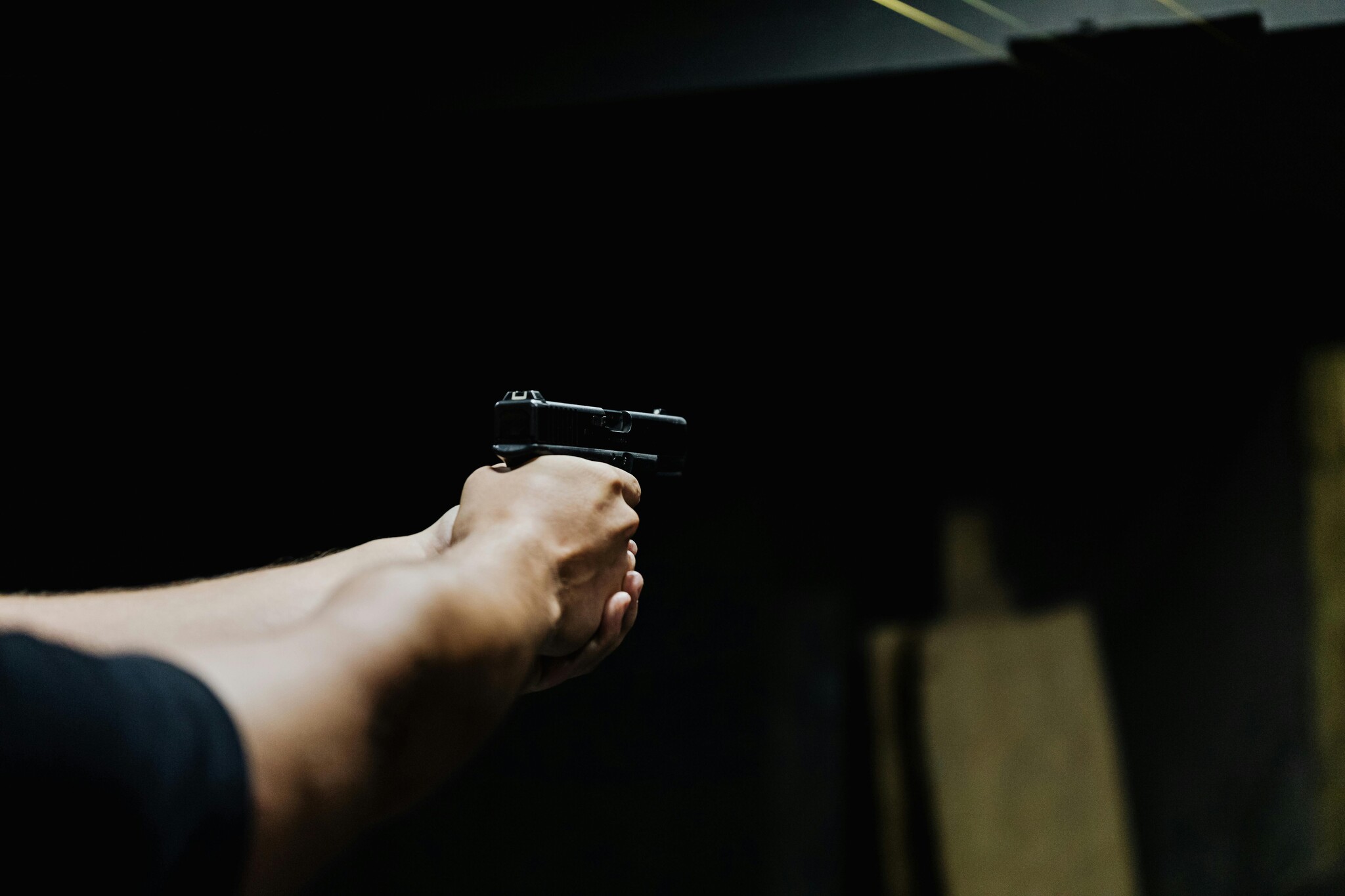
Entry-Level Handguns for Defense: A Practical Guide for First-Time Buyers in Louisiana
An entry-level defensive handgun should be reliable, easy to control, affordable to practice with, and a good fit for your hands. Most first-time buyers do best with a 9mm semi-automatic pistol or a medium-frame .38 Special revolver from a proven manufacturer.
What makes a handgun “entry-level” for defense?
Entry-level does not mean low quality. It means simple, proven, and easy to learn.
Prioritize:
- Reliability
- Manageable recoil
- Easy-to-find magazines and parts
- Widely available defensive ammunition
- Simple controls and safe handling
A common mistake is choosing the smallest pistol because it “looks easy.” Smaller guns often have a “snappier”, less manageable recoil and are more difficult to shoot accurately.
If you are still comparing options, start by browsing our full shooting collection.
Best calibers for new defensive shooters
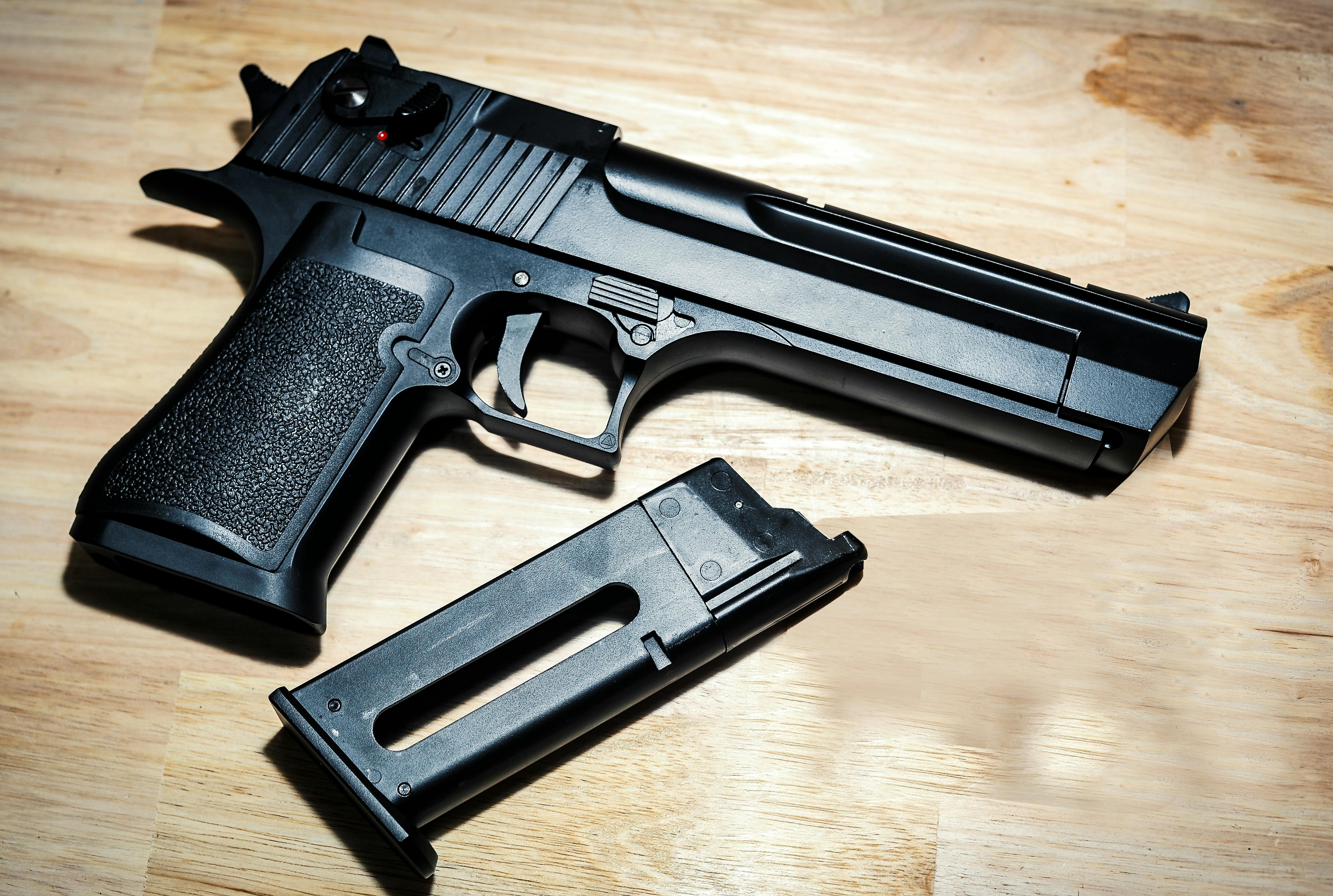
9mm
For most people, 9mm is the best starting point.
- Good balance of recoil and performance
- Affordable practice ammo
- Huge selection of reliable pistols
- Great defensive load options
.380 ACP
A softer-shooting option for some shooters.
- Often found in compact pistols
- Easier recoil for some hands
- Needs careful ammo selection due to smaller cartridge size
.38 Special (Revolver)
A simple, dependable platform.
- Straightforward operation
- Very reliable ignition
- Lower capacity and slower reloads
Handgun types that work well for beginners
Striker-fired semi-autos
These are common for defense because they are simple and consistent.
- Same trigger pull each shot
- Minimal controls
- Easy to maintain
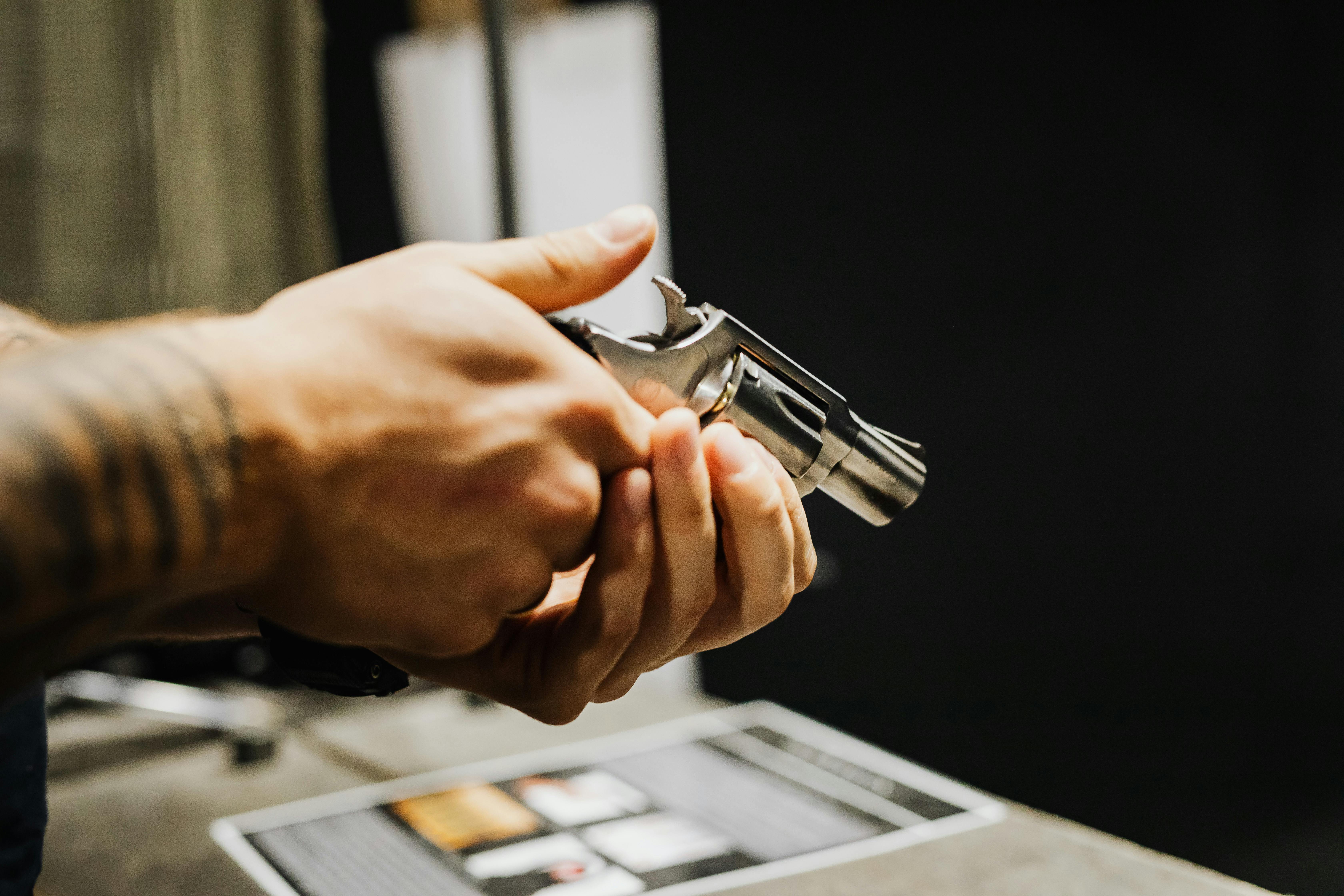
Double-action revolvers
These are popular for buyers who want simplicity.
- Few controls
- Strong reliability
- Easy to understand under stress
Pick the right size for your needs
- Full-size pistols tend to be easiest to shoot well.
- Compacts often balance control and carry comfort.
- Subcompacts are harder to control and can be snappy.
If this is your first handgun, consider starting with a compact or full-size model. You will usually learn faster.
Accessories you should plan for

A defensive handgun is only part of the setup.
Plan for:
- Quality defensive ammunition
- Extra magazines or speedloaders
- Eye and ear protection
- Secure storage
- A proper holster if you plan to carry
Along with your handgun, most shooters also pick up essential gear like magazines, eye and ear protection, and cleaning supplies, all of which you can find in the shooting accessories collection.
Revolver vs semi-auto for defense
|
Feature |
Semi-Auto Pistol |
Revolver |
|---|---|---|
|
Capacity |
Higher |
Lower |
|
Reload speed |
Faster |
Slower |
|
Ease of use |
Moderate |
Simple |
|
Maintenance |
Moderate |
Low |
|
Trigger |
Can be long |
Heavy |
There is no single best choice. The right one is the one you shoot confidently and safely.
Louisiana safety and compliance basics
- Follow all state and federal age requirements.
- Firearm transfers must follow FFL rules.
- Safe storage matters, especially with kids in the home.
A trusted local shop helps you stay compliant and make a better decision.
FAQs
Is 9mm enough for self-defense?
Yes. With modern defensive loads and good shot placement, 9mm is a strong choice.
Should I start with a revolver?
If you want the simplest manual of arms and you accept lower capacity, a revolver can be a solid first option, but be aware of the long, heavy trigger pull. Lots of practice is required to be effective with revolvers.
Do I need a manual safety?
Not always. Many defensive pistols use internal safeties. Safe handling and a quality holster matter most.
How much should I budget?
Budget for the firearm plus ammo and basic accessories. Training matters as much as the purchase.
Final advice
Choose a handgun you can control, shoot accurately, and practice with often. Handle a few models, ask questions, and avoid going too small on your first buy.


