

Direct Thread vs QD Mount Suppressors: Pros and Cons
Direct thread suppressors attach directly to the barrel threads of a rifle or pistol. They are simple, lightweight, and often the most affordable option. QD (Quick-Detach) suppressors use a mounting system that allows you to attach or remove the suppressor quickly using a compatible muzzle device.
Both systems work well. The right choice depends on how often you move the suppressor between firearms and how much convenience you want during setup.
Why the Mounting System Matters
Many buyers focus on the suppressor itself, but the mounting system plays a huge role in everyday use.
The mount determines:
-
how fast you attach or remove the suppressor
-
whether the suppressor can move between rifles
-
overall weight at the muzzle
-
long-term reliability and alignment
Understanding the difference between direct thread and quick-detach systems helps shooters avoid buying the wrong setup.
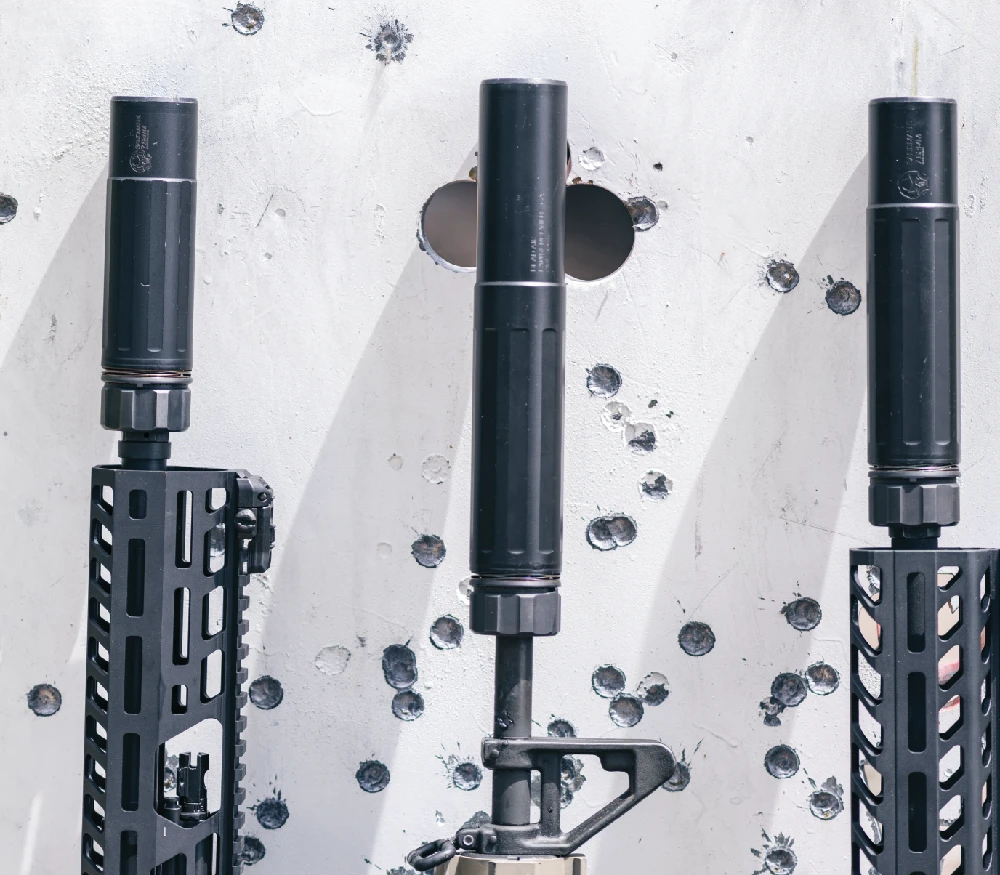
If you want to see how different mounting systems appear across modern suppressor designs, you can browse the suppressors collection to compare current models used for hunting, sport shooting, and range use.
Direct Thread Suppressors
A direct thread suppressor screws directly onto the threaded barrel of a firearm. This is the original suppressor mounting method and is still widely used today.
Advantages
-
Simple design with fewer moving parts
-
Lightweight compared to most QD systems
-
Lower overall cost
-
Excellent alignment when properly installed
Because the suppressor attaches directly to the barrel, there is less hardware involved. This makes direct thread suppressors appealing for hunters who plan to dedicate the suppressor to one rifle.
Limitations
-
Slower to remove or install
-
Not ideal if you switch between rifles frequently
-
Can loosen over time if not checked
Many shooters periodically check the suppressor during long range sessions to ensure it remains tight.

QD (Quick-Detach) Mount Suppressors
QD suppressors use a mounting system that locks onto a compatible muzzle device such as a brake or flash hider.
Instead of threading directly onto the barrel, the suppressor attaches to the mount with a locking mechanism.
Advantages
-
Fast attachment and removal
-
Easy to swap between multiple rifles
-
Secure locking systems on many modern designs
-
Convenient for shooters with multiple firearms
QD systems are common among shooters who rotate suppressors across several rifles.
For example, muzzle devices such as the SilencerCo ASR muzzle brake are designed to work with compatible suppressor mounting systems.
Limitations
-
Slightly heavier than direct thread setups
-
More expensive due to additional hardware
-
Requires compatible muzzle devices
Because each firearm needs its own mount, the total cost can increase if you plan to suppress multiple rifles.
Direct Thread vs QD Mount Suppressors
| Feature | Direct Thread | QD Mount |
|---|---|---|
| Attachment Method | Screws directly to barrel threads | Locks onto muzzle device |
| Installation Speed | Slower | Very fast |
| Weight | Usually lighter | Slightly heavier |
| Cost | Lower | Higher due to mounts |
| Multi-Rifle Use | Less convenient | Excellent for multiple rifles |
| Maintenance | Very simple | More components involved |
| Alignment | Very consistent | Depends on mount quality |
Which Option Works Best for Hunters?
Many hunters prefer direct thread suppressors because they are lighter and simpler. A hunting rifle usually stays configured the same way all season, so quick removal is not always necessary.
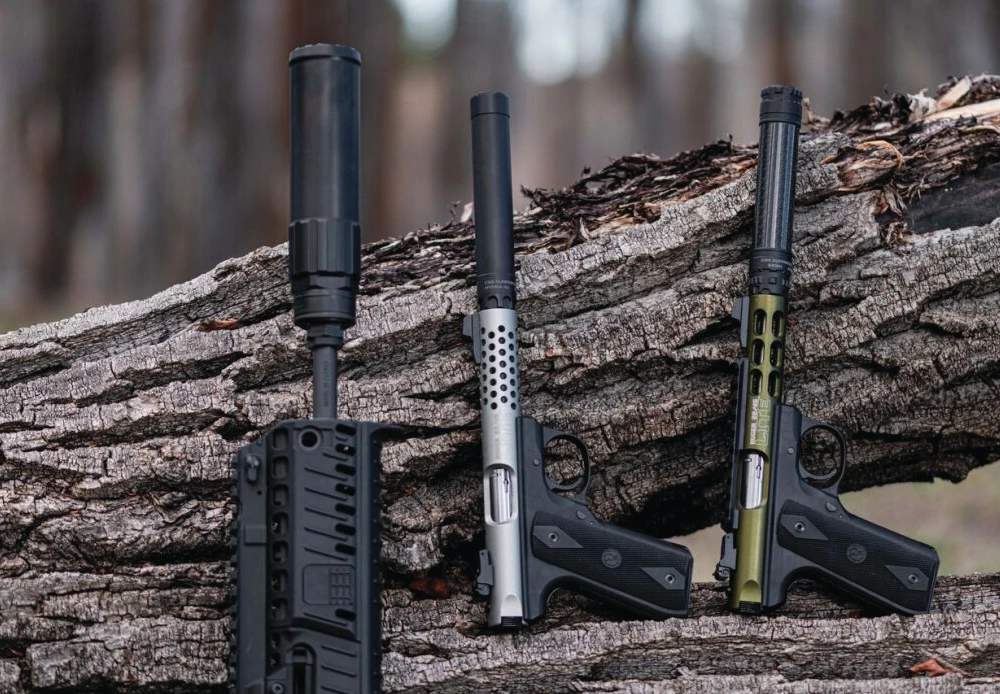
For shooters who own several rifles, QD systems are often the better choice. They allow one suppressor to move easily between firearms with compatible mounts.
If you are comparing setups or planning your first suppressor purchase, exploring the full suppressor category can help you see how different mounting systems are used across modern suppressor designs.
Accessories That Support Suppressor Mounting
Mounting systems rely on small but important components.
Common accessories include:
-
muzzle brakes
-
thread adapters
-
suppressor mounts
-
alignment tools
Many shooters browse suppressor accessories to find compatible mounts and replacement parts when building their setup.
These accessories help ensure proper alignment and long-term reliability.
When Direct Thread Makes the Most Sense
Direct thread suppressors work best when:
-
you plan to use the suppressor on one rifle
-
you want the lightest setup possible
-
you prefer a simple mounting system
Many hunters dedicate one suppressor to their primary hunting rifle for the entire season.
When QD Mount Systems Are Better
QD systems are often chosen when:
-
you own several rifles
-
you move suppressors between firearms
-
you want faster attachment at the range
Shooters who run suppressors on multiple platforms often prefer the flexibility of quick-detach mounts.
Frequently Asked Questions
Are QD suppressors more accurate?
Accuracy depends on the suppressor and the firearm. Both systems can perform extremely well when properly installed.
Do direct thread suppressors come loose?
They can loosen slightly during long shooting sessions. Many shooters simply check the suppressor occasionally.
Can you convert a direct thread suppressor to QD?
Some suppressor systems allow different mounting adapters. Others are designed only for one mounting style.
Is QD worth the extra cost?
It can be if you plan to move the suppressor between multiple rifles.
Final Thought
Both direct thread and QD mount suppressors have clear advantages. Direct thread offers simplicity and lightweight performance. QD systems offer speed and flexibility.
Understanding how you plan to use your suppressor will help you choose the system that fits your rifles and your shooting style.


