

Beginner’s Guide to Reloading. Safe Steps, Simple Tools, and What New Shooters Should Know
Reloading helps you control cost, accuracy, and consistency. It also helps you understand your rifle or handgun at a deeper level. This guide explains the basics in a way that feels simple and safe for anyone starting out. You will learn the tools you need, the steps to expect, and the safety habits that matter from your very first round.
Reloading always requires strict attention to safety. Follow published load data. Use quality components. Keep every step consistent. If you are unsure about a process, stop and ask an experienced shooter or visit your local shop for help.
As you read, you will also find natural links to related topics on the site. These support your learning path and help you explore ammunition types, firearms, and safe equipment choices across the store.
What Reloading Means and Why People Do It
Reloading means building your own ammunition using brass cases, primers, powder, and bullets. Many shooters reload for three reasons.
- Lower long-term cost for high-volume shooting
- Better accuracy and consistency
- More control over loads when hunting or target shooting
Reloading also teaches discipline. It slows you down. It helps you pay attention to how small changes affect performance.
If you want a baseline before you start reloading, review the factory rounds most hunters and shooters rely on in Louisiana. You can shop rifle and shotgun ammunition at Spotted Dog to see common calibres and loads used in the region: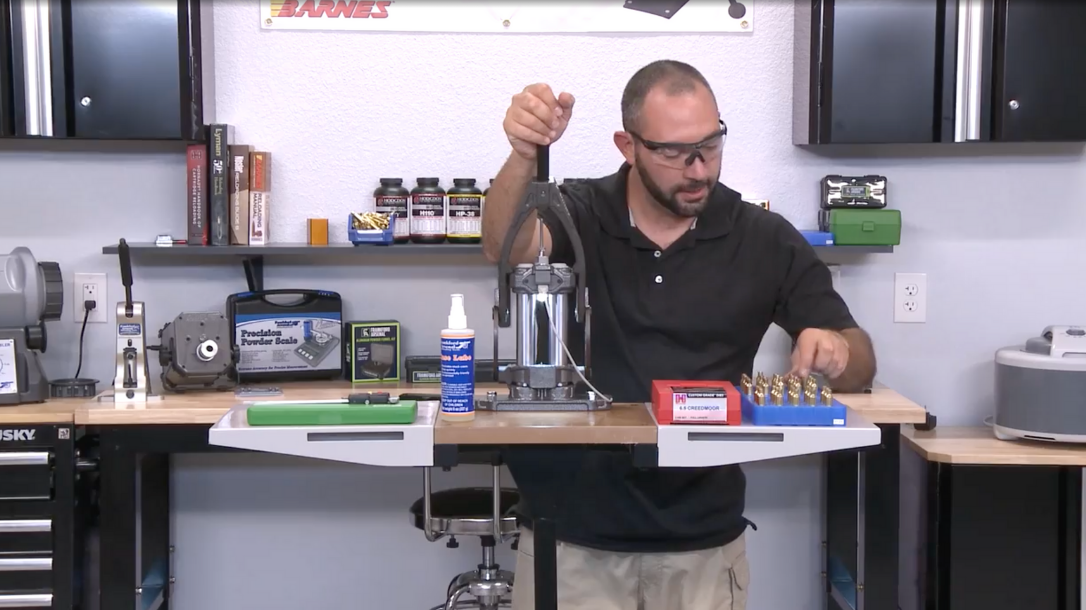
The Tools You Need to Start Reloading
You only need a simple bench setup to begin.
Reloading press
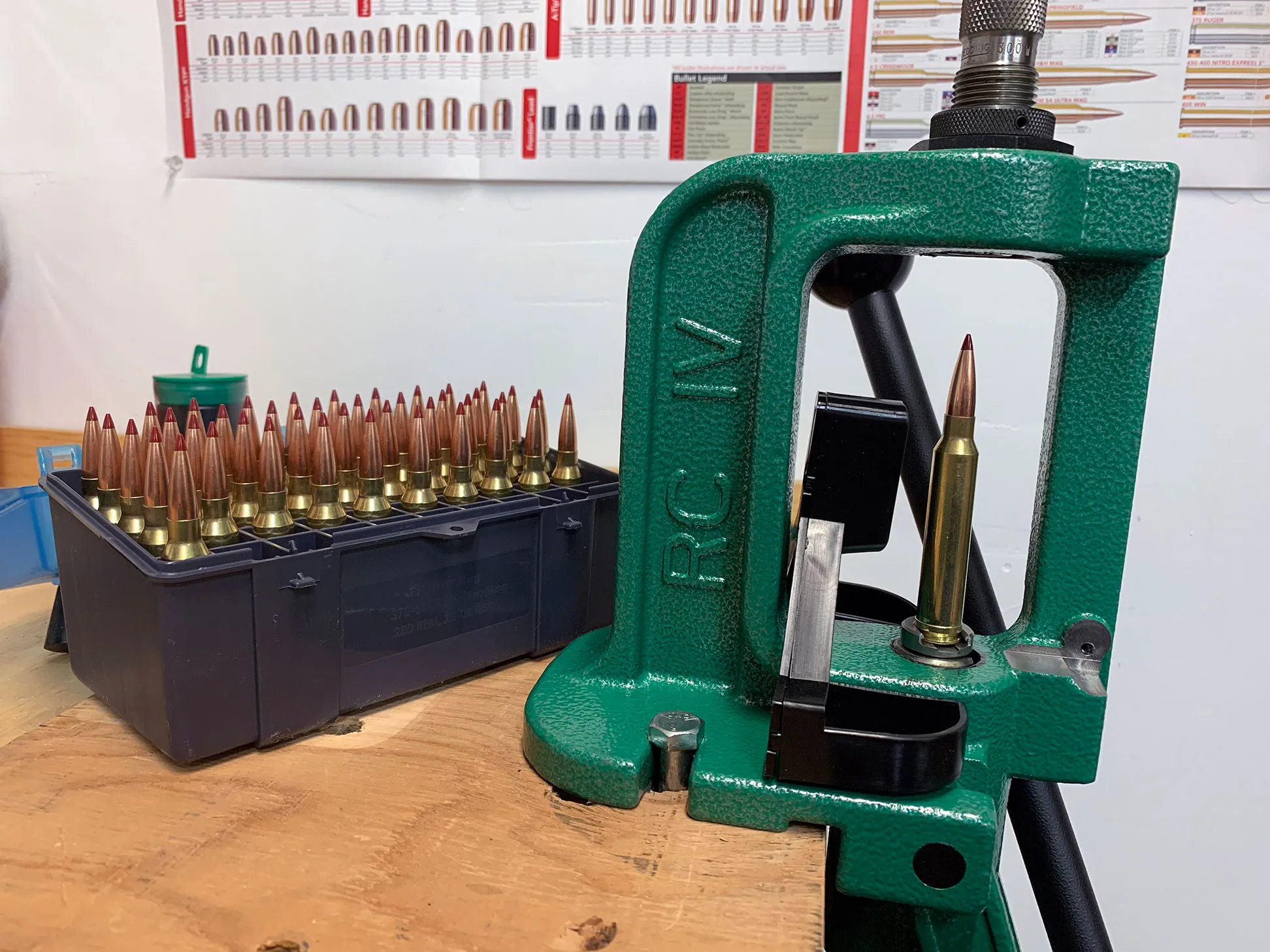
The reloading press is the main tool that holds your dies and performs the mechanical work. Single-stage presses are slower but easier for beginners because you focus on one step at a time.
Dies for your caliber
Dies shape the brass, seat the bullet, and crimp the case. Buy the correct set for your calibre to avoid fitting or sizing issues.
Powder scale and measure
A scale makes sure every load stays within safe published limits. A measure helps you drop powder evenly.
Priming tool
This sets new primers into your cleaned brass with firm, even pressure.
Case prep tools
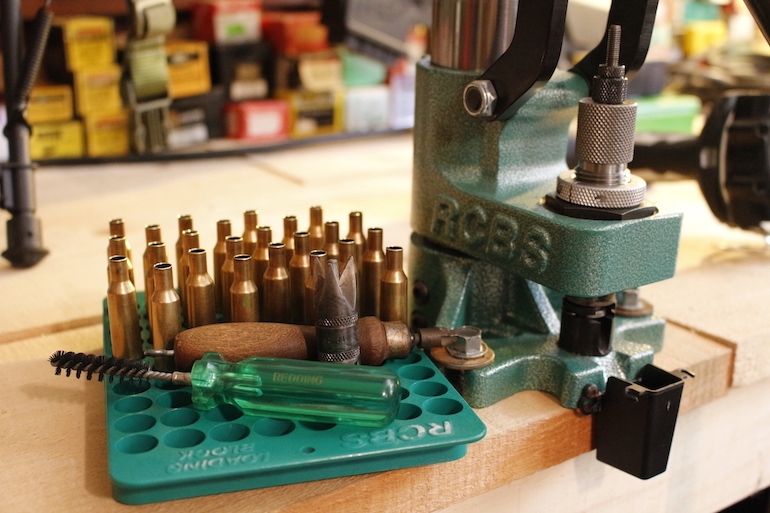
Chamfer tools, deburring tools, and trimmers help you prepare brass to a consistent length. Good prep creates better accuracy.
If you are keen to learn how different ammunition types behave before reloading, you can explore the Shotshell Loads and Rifle Ammunition.
Basic Steps in the Reloading Process
Reloading has a simple rhythm. One step leads to the next.
Step 1. Clean the brass
Use a tumbler or simple cleaning method. Clean cases protect your dies and help you see cracks or defects.
Step 2. Resize and deprime
Your resizing die returns the brass to its proper dimensions. The decapping pin removes the old primer.
Step 3. Trim and prepare the case
Check length. Trim if needed. Smooth the inside and outside edges. This improves bullet seating and clean ignition.
Step 4. Prime the case
Use a hand tool or press-mounted priming system. Primers should seat smoothly with a firm finish.
Step 5. Measure and add powder
Follow published, trusted load data from powder manufacturers. Never guess. Never reuse unknown powder.
Step 6. Seat the bullet
Use the seating die to set the bullet to the right depth. Verify the overall length. Consistency builds accuracy.
Step 7. Crimp if needed
Some loads benefit from a light crimp to secure the bullet. Follow your manual for guidance.
Safety Rules Every Beginner Must Follow
- Use current load data from trusted sources
- Keep powder away from heat and open flame
- Never mix powder types
- Inspect brass for cracks or pressure signs
- Start with the minimum recommended load
- Wear eye protection during priming
Helpful Gear for New Reloaders
Many beginners add supportive equipment as they gain confidence.
- Calipers for measuring case length
- A loading block to hold cases upright
- A powder funnel for clean transfers
- A quality reloading manual
- A case gauge for quick checks
This gear helps you build safe habits and improve precision with each batch.
When Reloading Makes the Most Sense
Reloading is ideal for shooters who want to practice often, hunt with consistent performance, or tune loads for a specific firearm. It also helps when factory ammunition is limited or expensive.
If you are looking at new firearms and want a clearer idea of which loads pair well with common calibers, take a moment to explore rifles, pistols, and shooting equipment
Simple Troubleshooting Tips
If a round does not chamber smoothly, verify the brass length. If primers crush or seat unevenly, clean primer pockets and slow down your pressure. If groups on paper change suddenly, confirm powder charge and bullet seating depth.
Reloading is often a quiet cycle of small adjustments. Each fix teaches you something about your firearm and your technique.
FAQ for New Reloaders
Is reloading safe for beginners?
Yes, as long as you follow published data and keep your workspace clean and organized.
Do I need expensive equipment?
No. A basic press and a few tools are enough to start.
How long does it take to reload?
Beginners move slowly. A careful pace helps you learn each step with confidence.
Can reloading improve accuracy?
Yes. Consistent loads often produce tighter groups and predictable performance in the field.
Final Thoughts
Reloading is a patient hobby that rewards attention and care. It produces ammunition that fits your shooting style and teaches valuable skills you carry into every season. Start slow. Follow each step with intention. Build trust in your process.![Ultimate] Beginner's Guide to Reloading Ammo - Pew Pew Tactical](https://www.pewpewtactical.com/wp-content/uploads/2016/09/My-Reloading-Station-1024x769.jpg)


